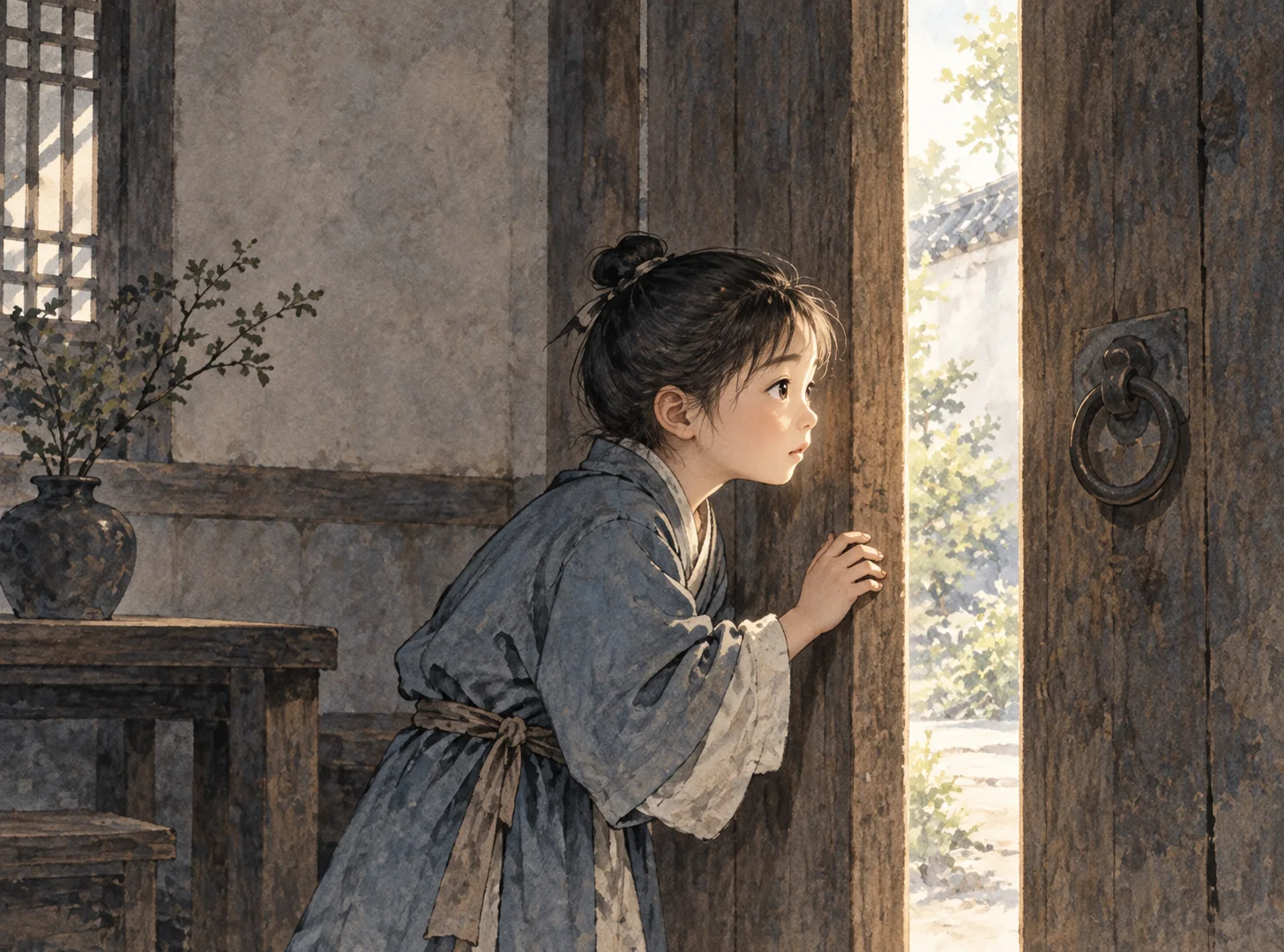
A neighborhood tool library and repair workshop is teaching beginners. The first rule is safety, but the goal is independence. Across six evenings, a mentor must decide when to correct, when to welcome, when to warn against a flashy offer, when to help an isolated learner, when to admit her own ignorance, and when to protect the group from a scam.
社区工具图书馆和修理坊正在教初学者。第一条规则是安全,但目标是独立。六个夜晚里,导师要判断:何时纠正,何时接纳,何时提醒不要被华丽邀约迷惑,何时帮助孤立的学习者,何时承认自己也不懂,以及何时保护大家不受骗局侵扰。
ASK YOURSELF想一想
In your own learning, where do clear boundaries help, and where does patient welcome matter more?
在你自己的学习中,哪里需要清楚的界限,哪里更需要耐心的接纳?
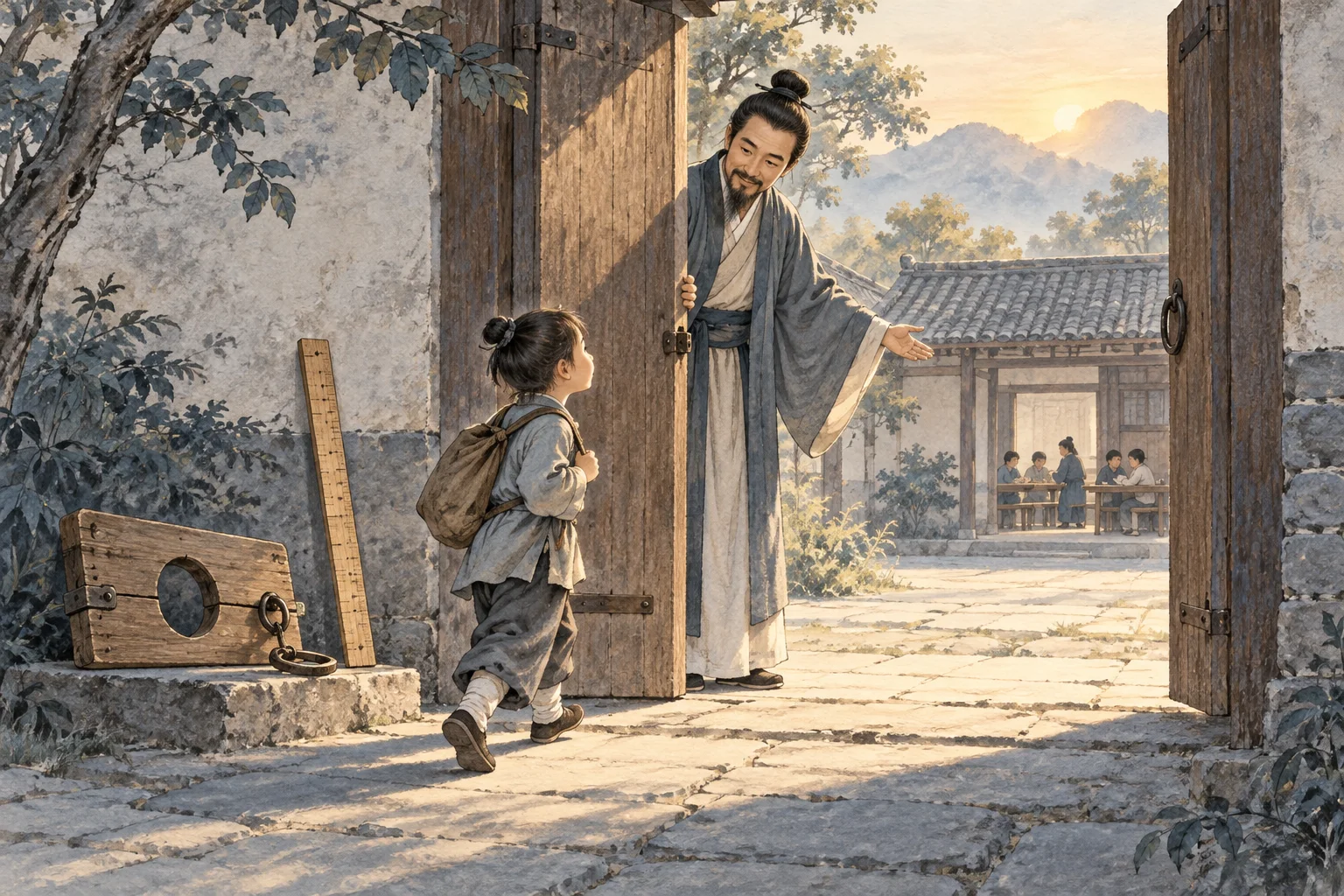

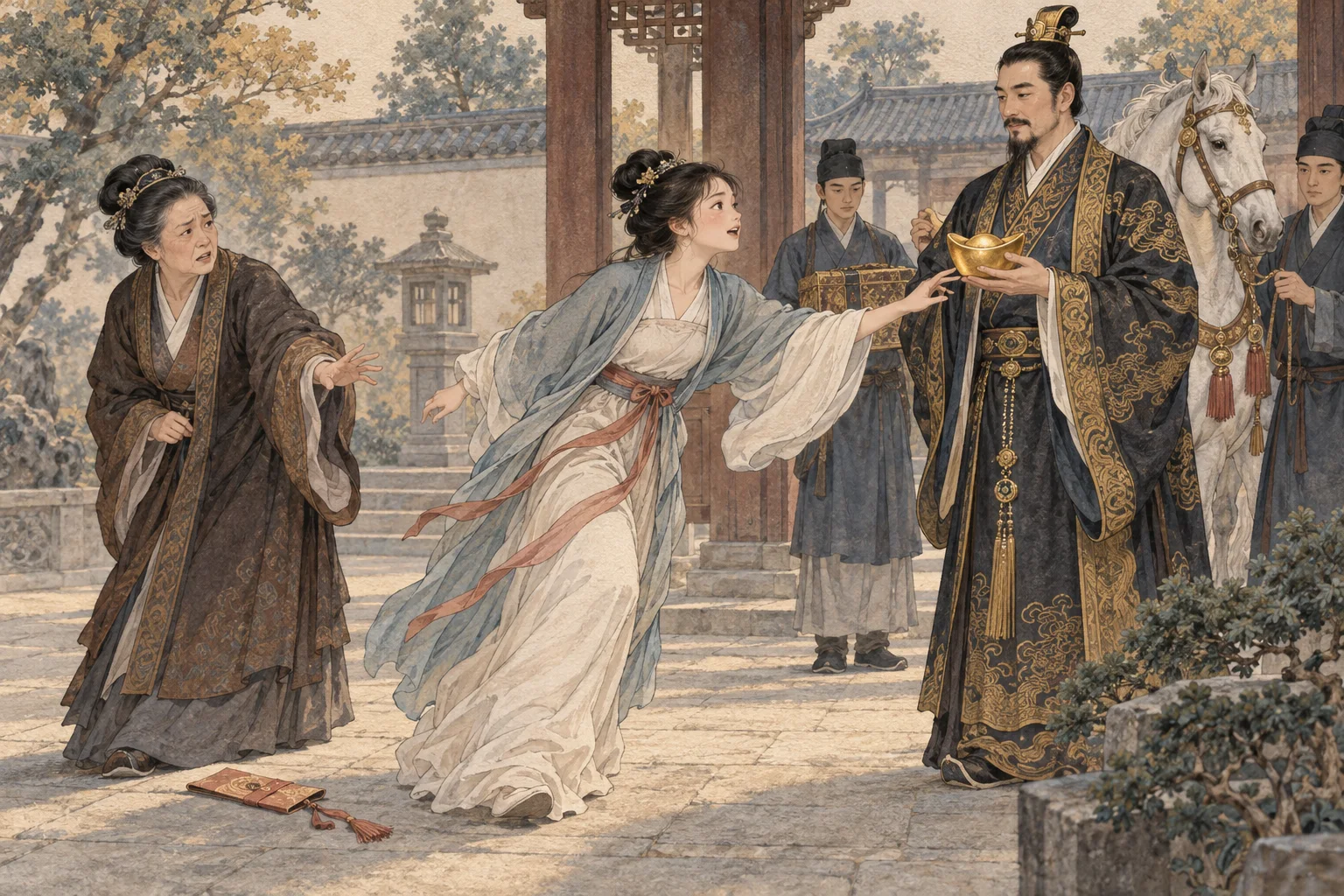
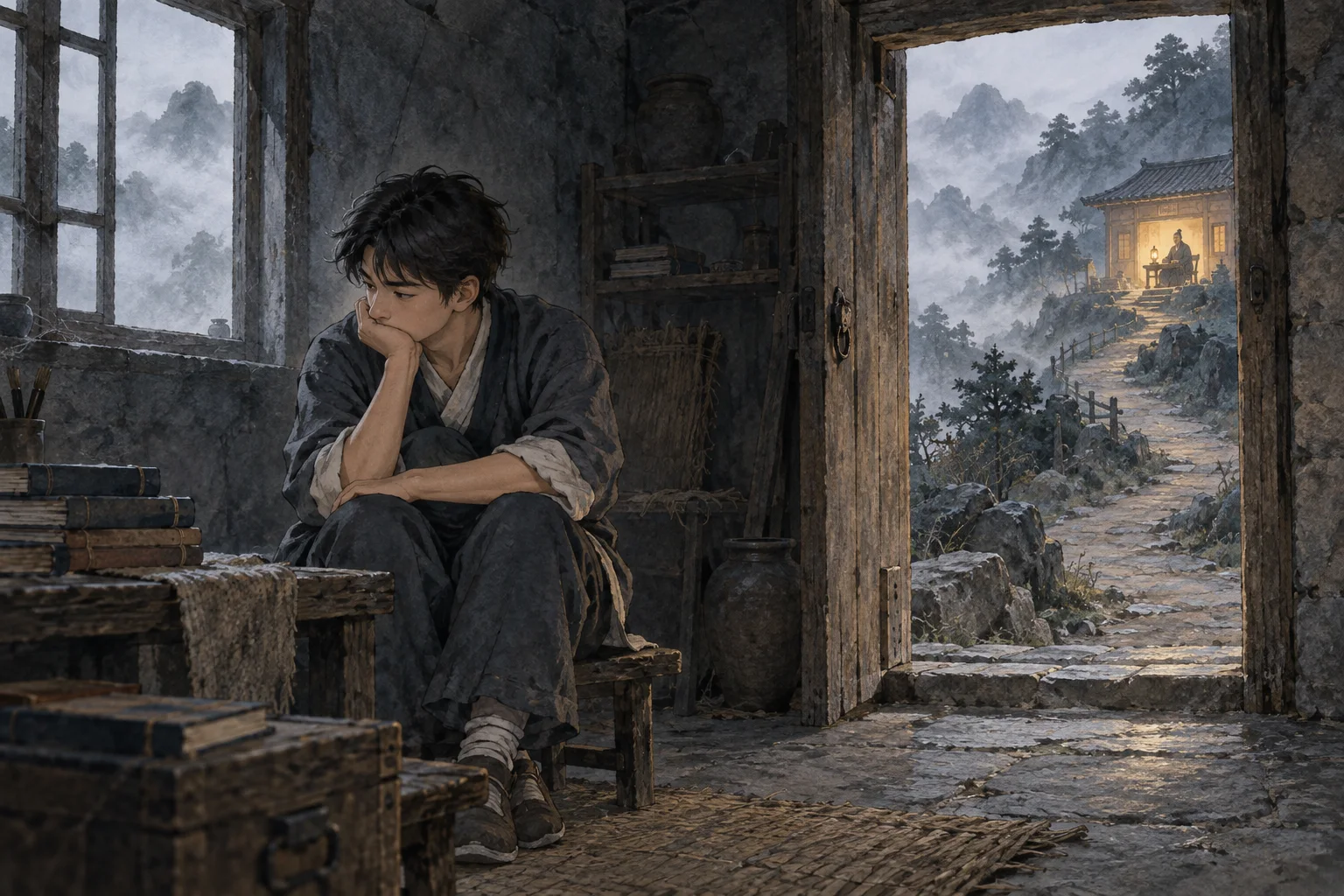
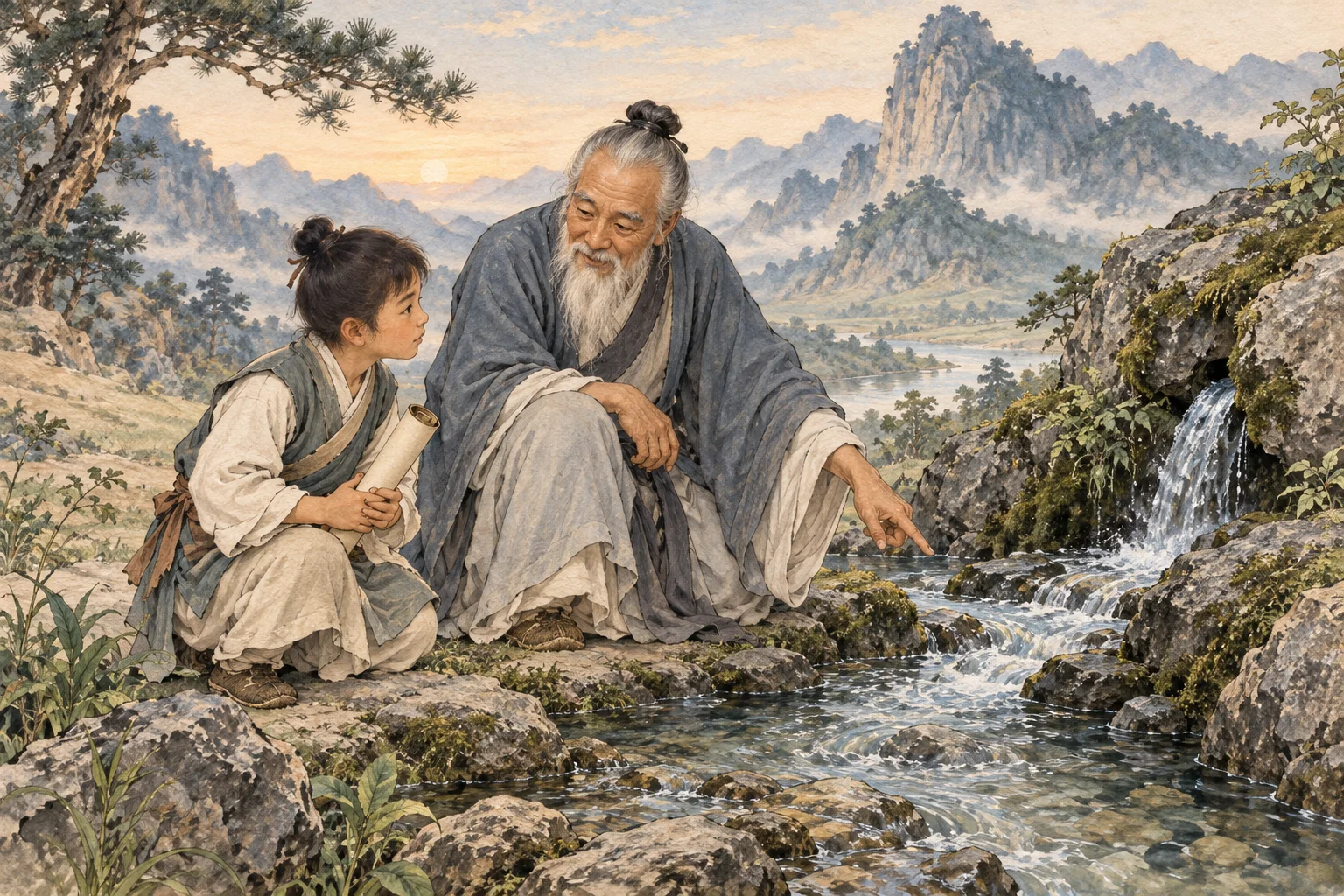
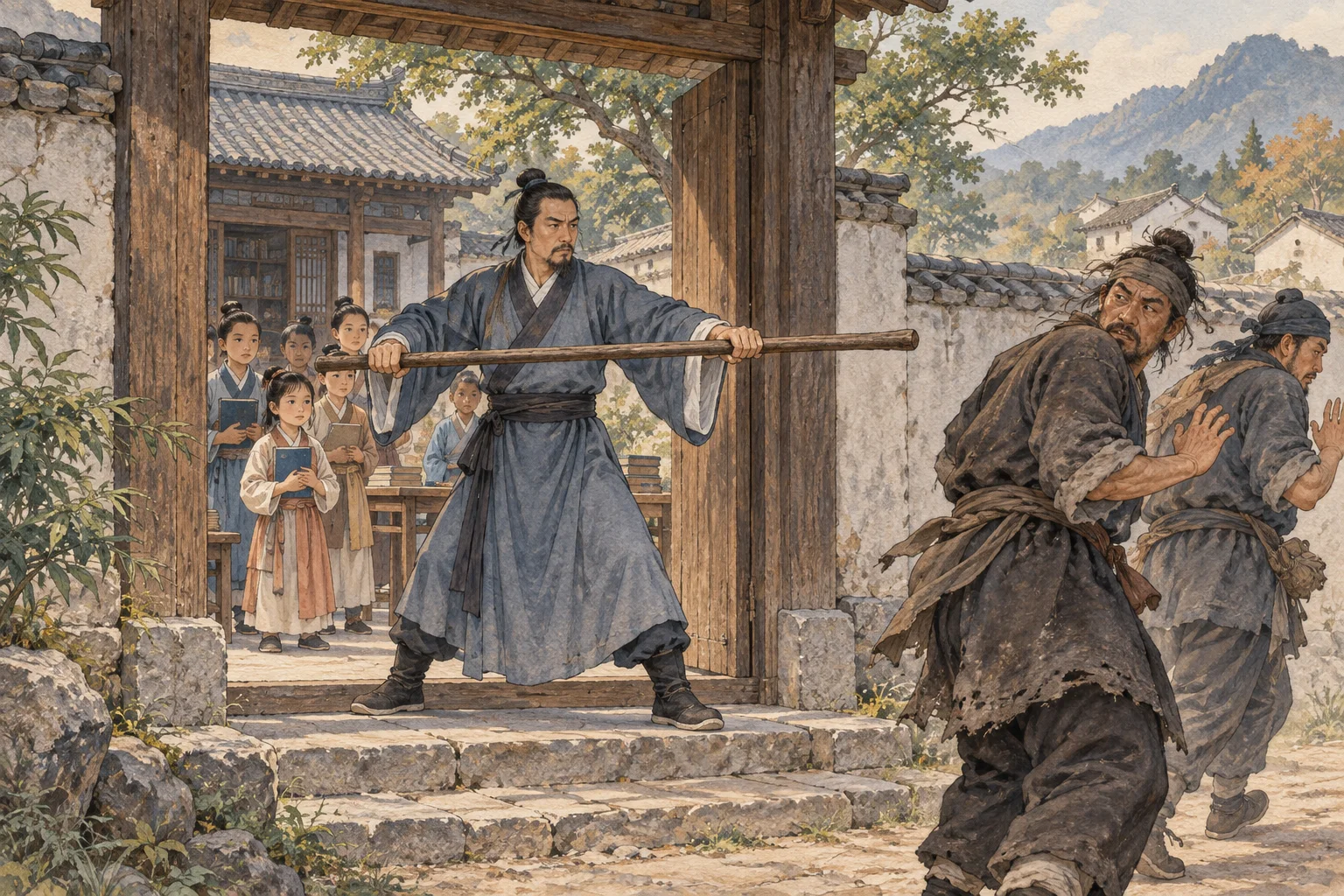
《彖传》以山下有险解释蒙:前方还看不清,又因阻碍而停住。九二以刚中回应六五的虚心求教,说明教育需要求学者与引导者真诚相应。所谓“养正”,不是堆积答案,而是在认知尚未定型时培育正直的判断。
The Tuan Commentary sees danger beneath a mountain: vision is limited, and movement stops before uncertainty. The firm second line responds to the receptive fifth, showing that teaching depends on a sincere relationship between learner and guide. To nourish what is correct is to form sound judgment before confusion hardens into habit.
A spring issues from beneath the mountain: Meng. The noble person acts with resolve and cultivates virtue.
泉水刚从山下涌出时细小而未成河,但它有持续前行的本性。君子由此果断实践,并像护养泉源一样积累德性:边行动、边校正,让最初的清明不被泥沙遮蔽。
A spring begins as a small flow with no settled channel, yet it keeps moving. The exemplary person learns through decisive practice while cultivating character, protecting the clear source from being buried by confusion.