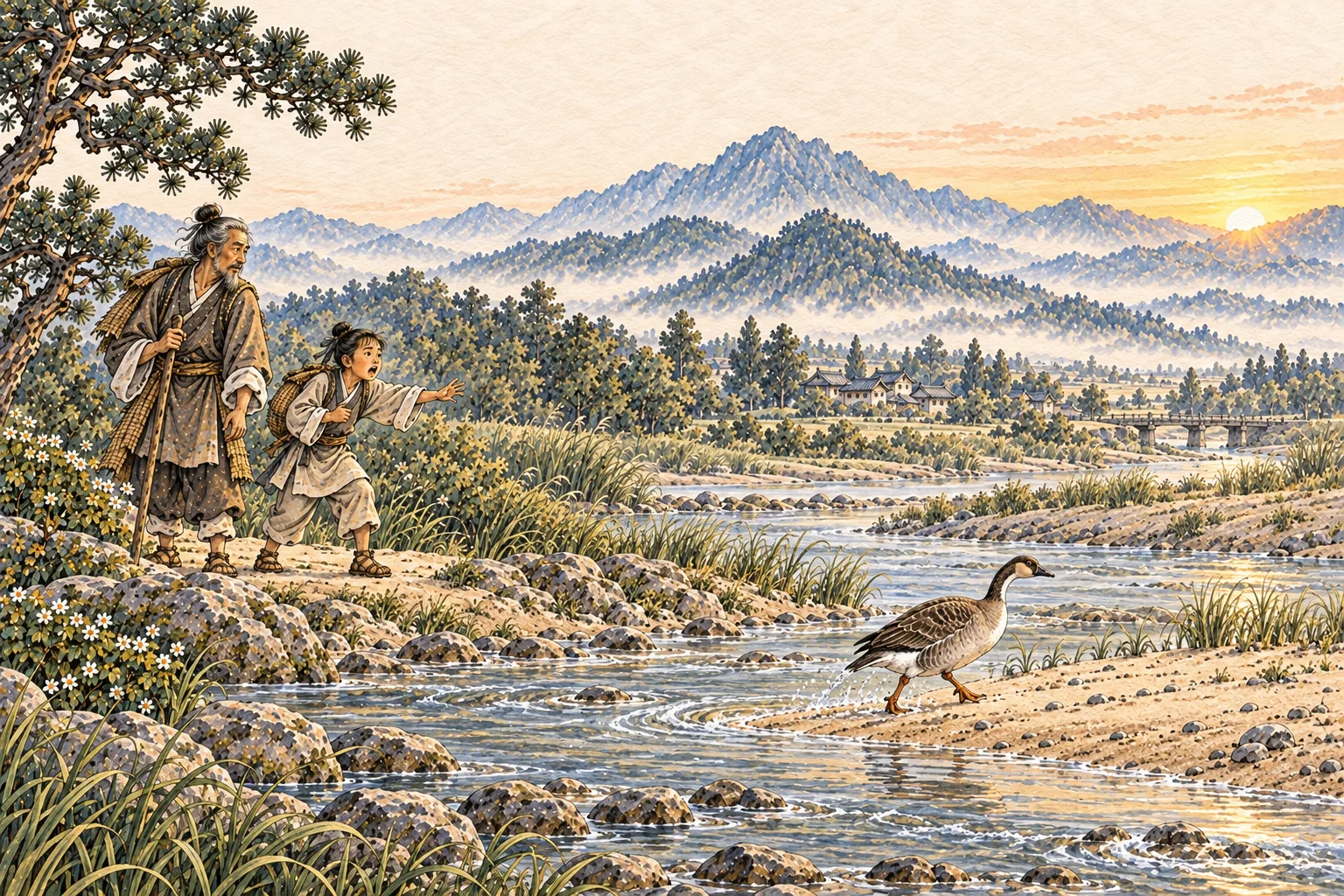
A young apprentice joins a riverside boatyard to learn a traditional craft. Over six stages, she moves from the muddy bank to a shared workbench, then to an inland contract that pulls her household apart, a high loft where she finds an unexpected beam, a long-delayed reunion, and finally a launching ceremony where her work becomes a pattern others can follow.
一位年轻学徒来到河畔船坊学习传统木船工艺。六个阶段里,她从泥岸边起步,到共享工作台,再到一份让家庭分离的内地合同、高处阁楼里意外可用的横梁、漫长等待后的重逢,最后在下水礼上,她的手艺成为别人可遵循的样式。
ASK YOURSELF想一想
Where in your own gradual journey do you need a firmer footing before the next stage?
在你自己的渐进旅程中,下一步之前,哪里需要更稳的立足点?
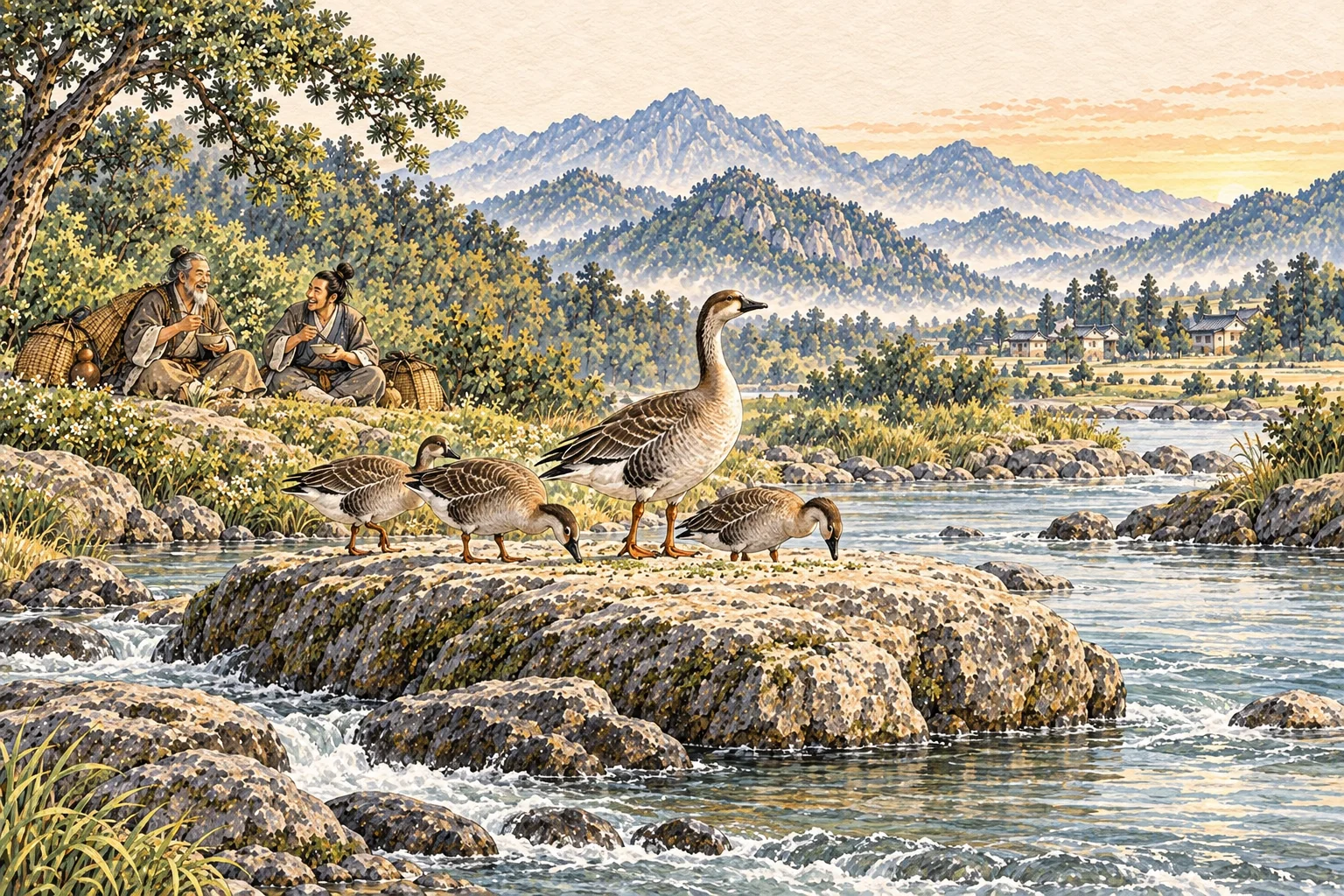
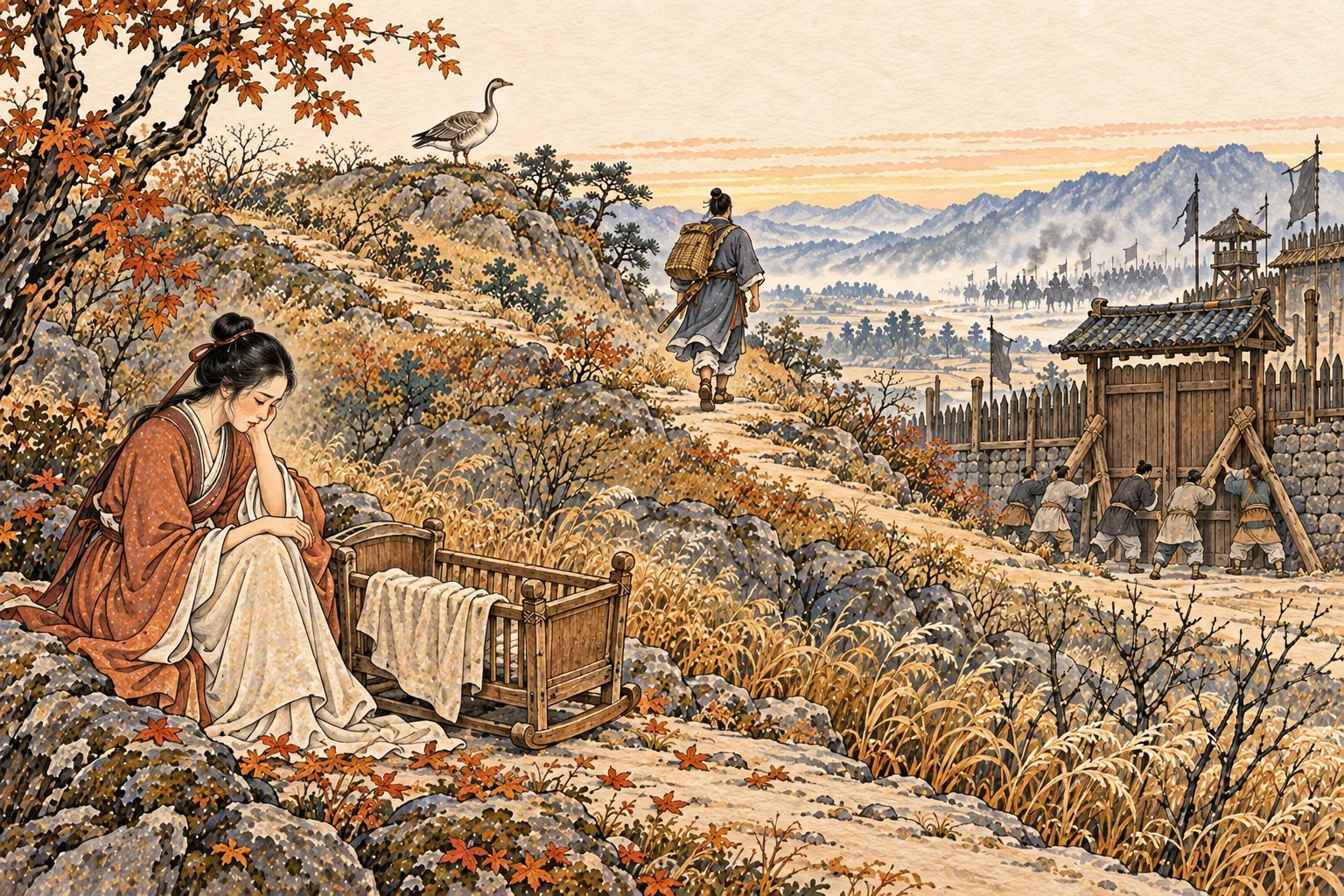
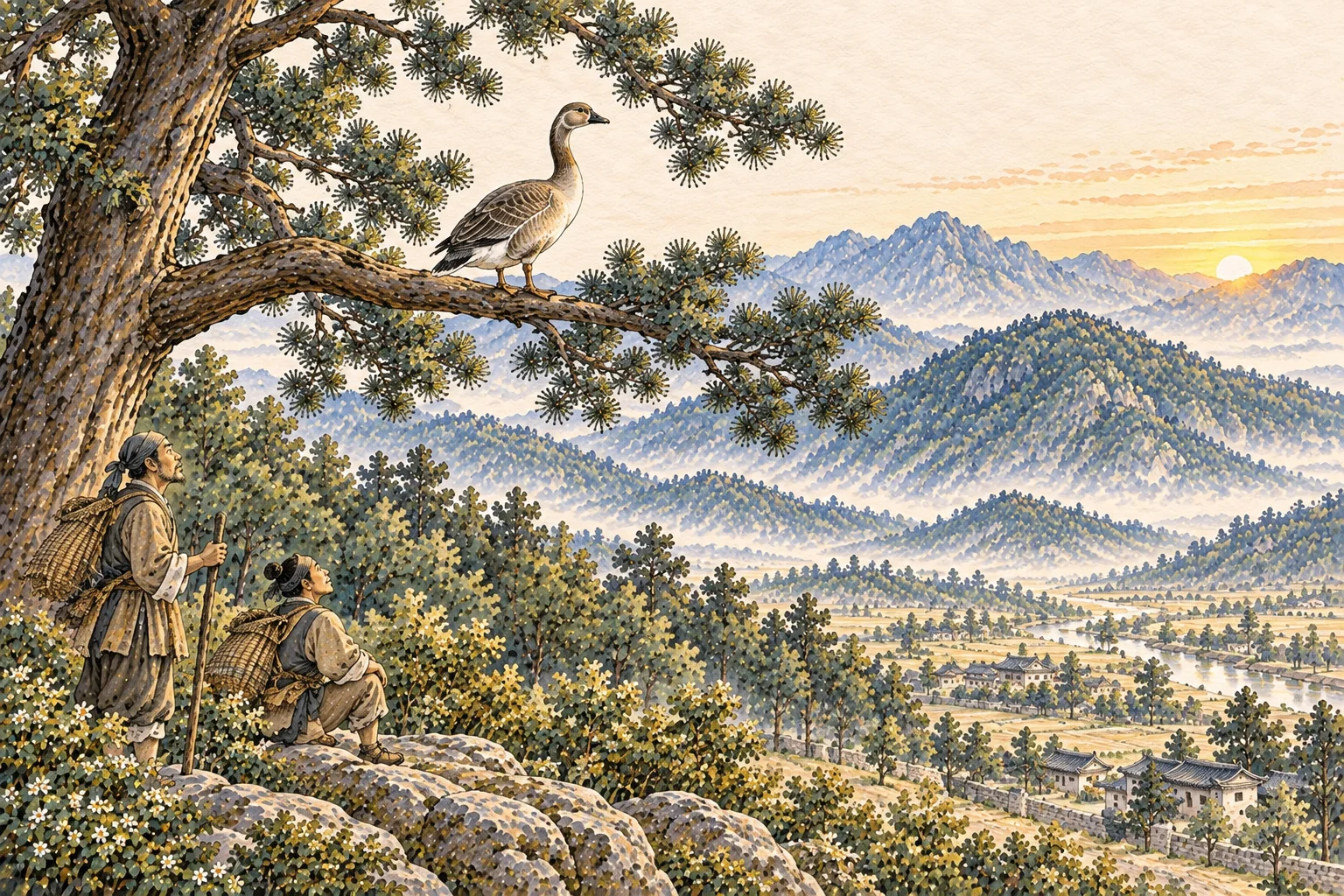
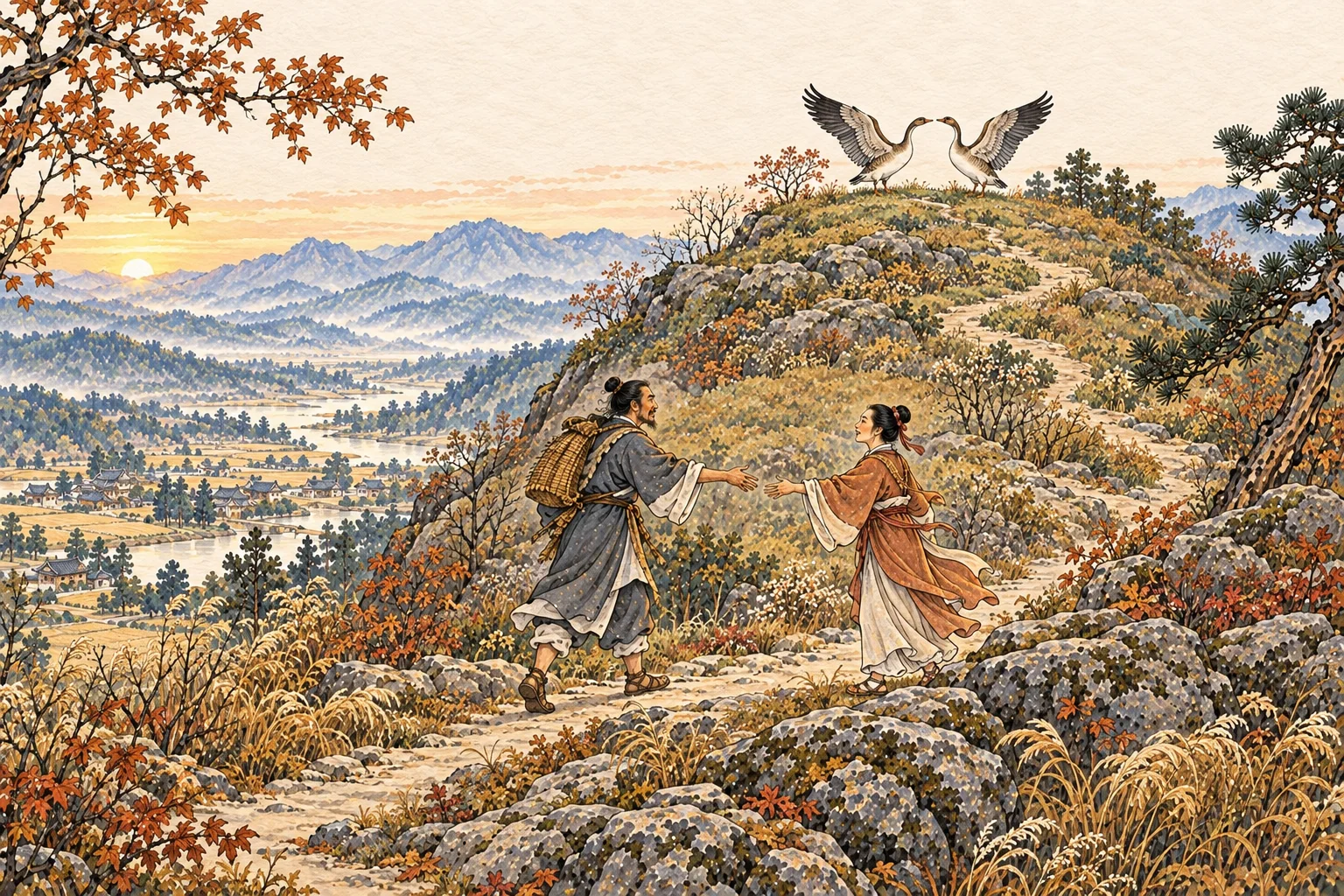
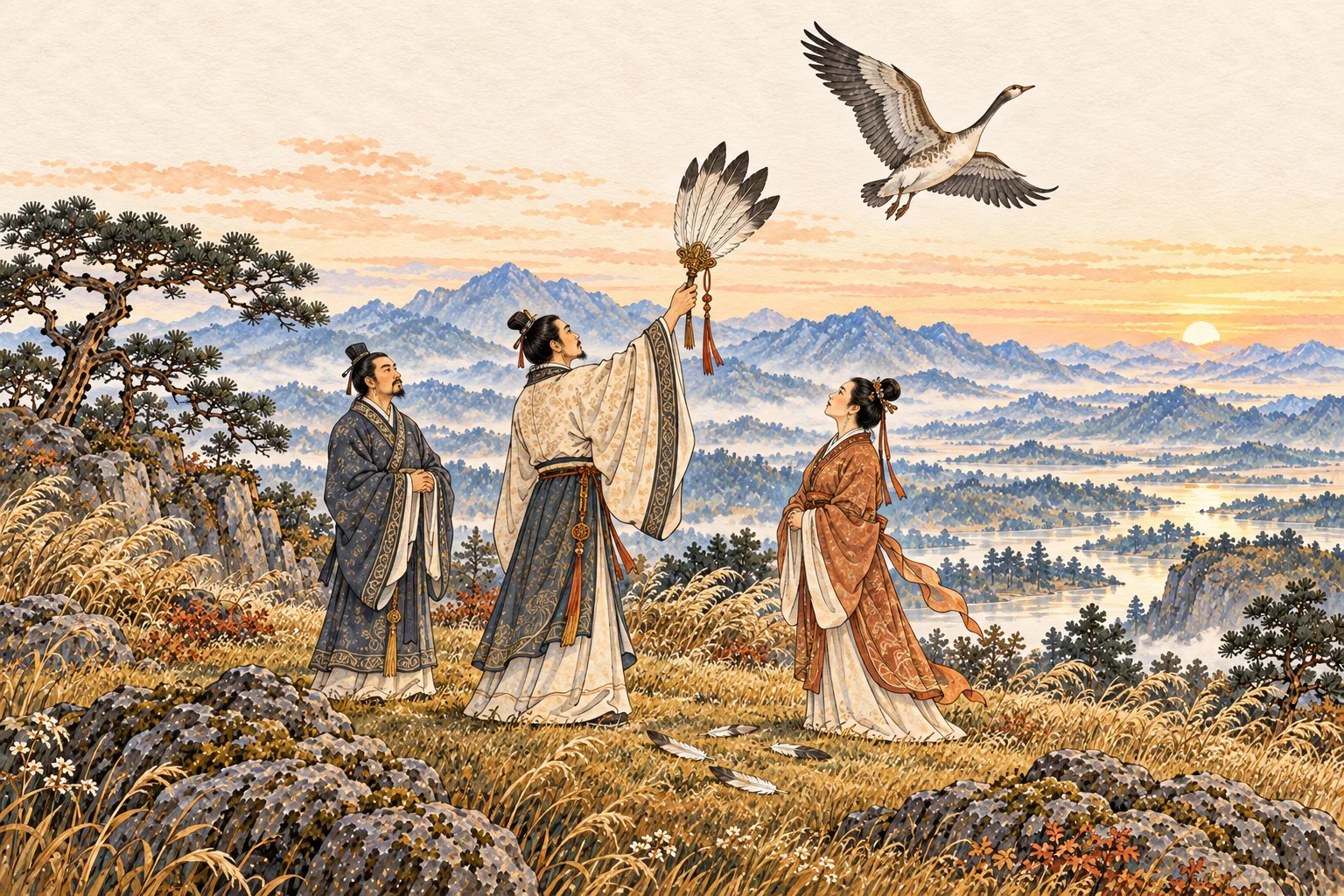
《彖传》把“渐”解释为有位、有正的进。下艮能止,上巽能顺入,先知道在哪里站稳,再能不断前行。
The Tuan describes progress that finds its proper position. Mountain gives a place to pause; Wind finds a way through. Together they suggest movement that can continue because it has not outrun its support.
A tree stands on a mountain: Gradual Development. A cultivated person dwells in worthy conduct and improves customs.
山上的树不是一夜长成。德行与共同生活的习惯,也靠长久安住与日常践行形成。
A tree on a mountain takes root before it rises. Character and shared habits develop through repeated practice, not a single dramatic leap.