
A sudden disruption hits your everyday life—a burst pipe floods your home, or a surprise announcement changes your workday. The initial jolt is real. The question is whether you drop everything that matters or keep hold of your core duties. After the startle, you may find your footing and even laugh again, but only if you protect what is essential.
一次突发变故打乱你的日常——水管爆裂淹没家里,或工作突然变动。最初的惊吓真实存在。问题在于:你是否丢下重要的事,还是守住核心职责。惊吓过后,你可能重新站稳,甚至笑出声来,但前提是保护好关键所在。
ASK YOURSELF想一想
What essential responsibility will you protect when shock arrives?
当震惊来临时,你会守护什么关键责任?
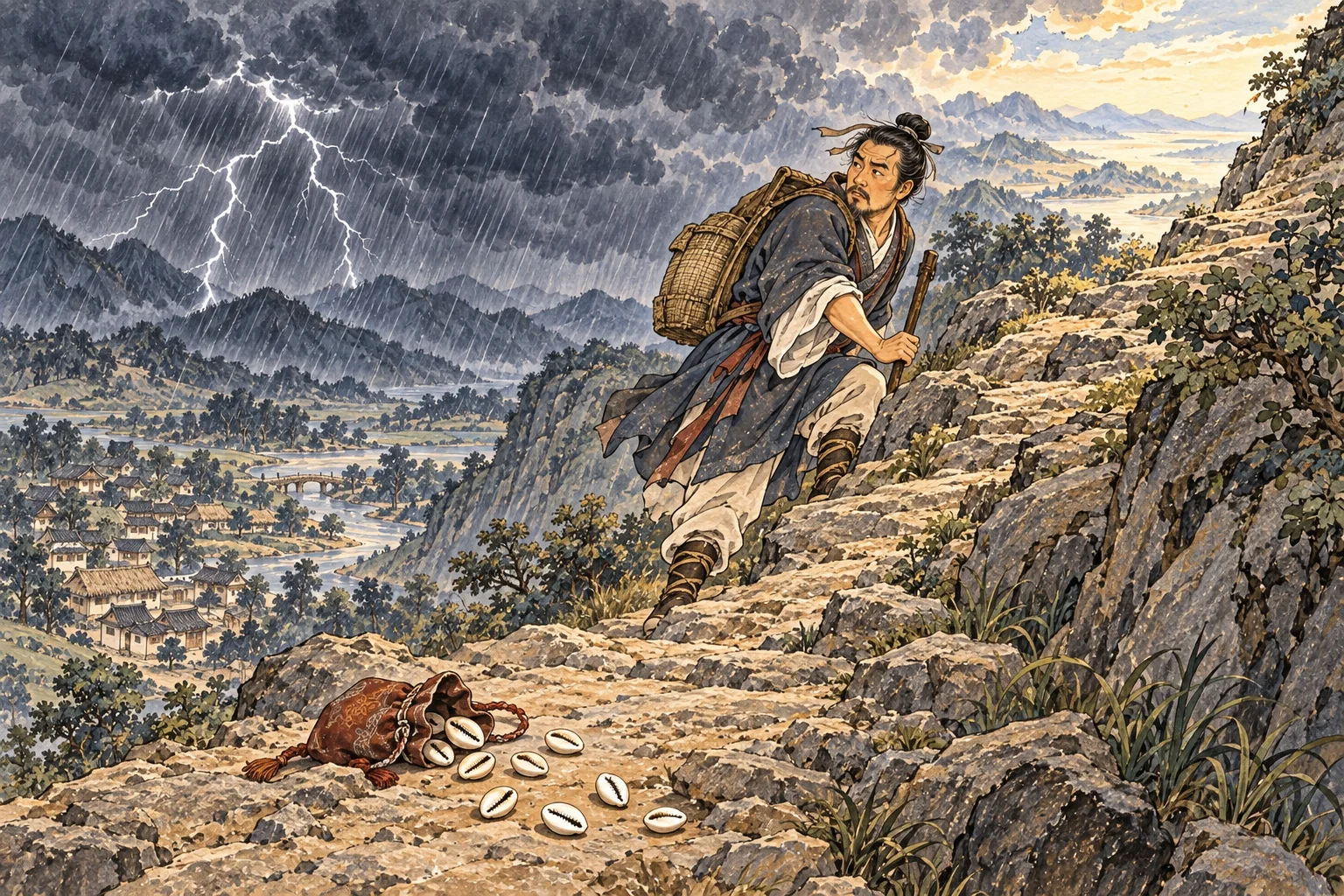

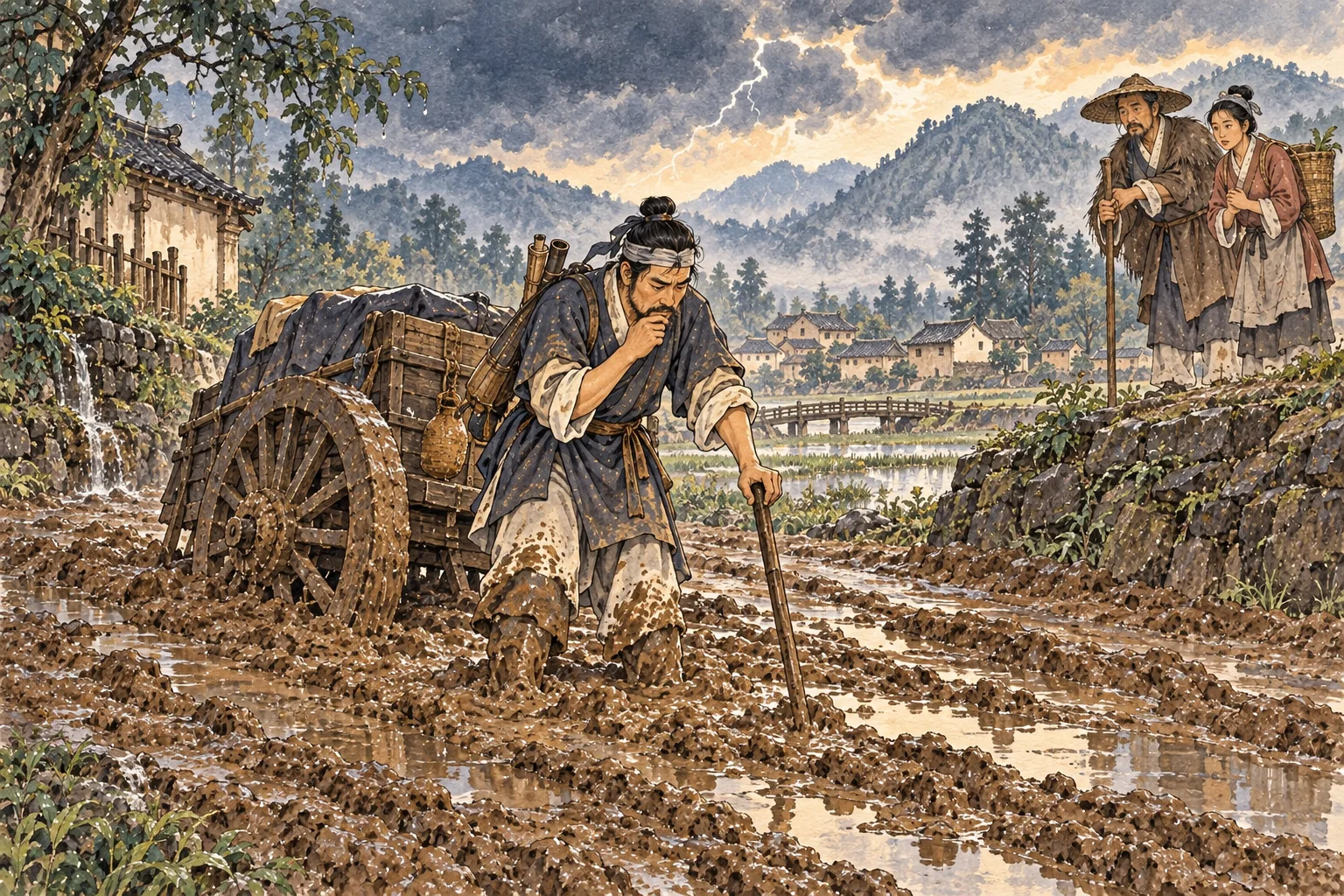

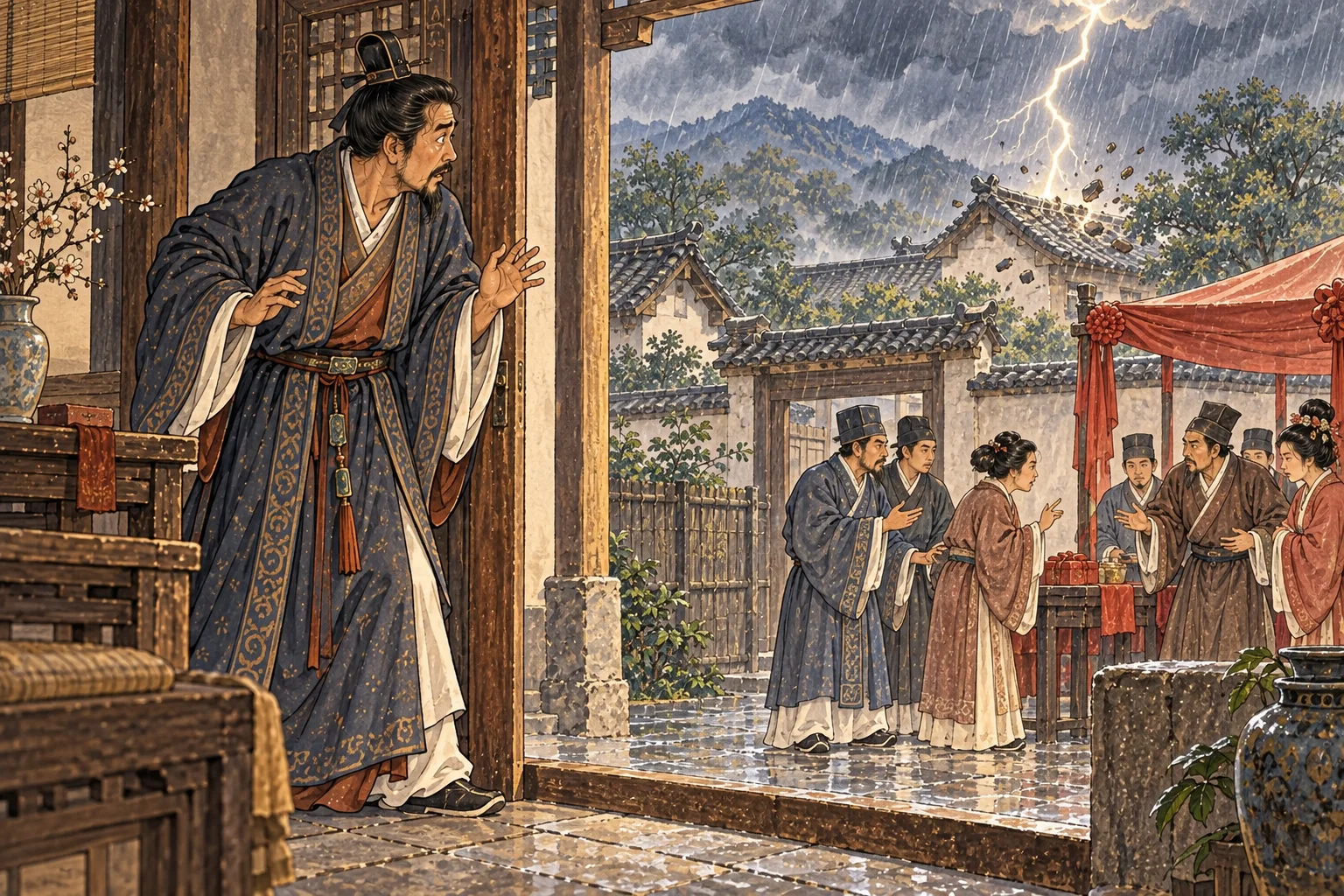
《彖传》说恐惧可促使人自省,后来的笑言因有法则而安。古文又以守宗庙社稷谈长子担责,不必照搬其世袭身份;可保留“受惊仍能守住共同事务”的要点。
Fear can sharpen attention and lead to a sound response. The Tuan's ancient succession setting places ritual responsibility on a designated heir; its broader lesson is composure in service of a shared duty.
Thunder comes in succession: Shock. A cultivated person examines and improves themselves in reverent fear.
洊雷是重雷、再三震动。修省不是把灾难归咎于受惊的人,而是在安全之后检视准备、习惯和责任:哪些地方该修补,下一次如何更稳。
Repeated thunder invites review. Once safe, ask what can be prepared or repaired before the next jolt. Self-examination is a practice of readiness, not blame for being startled.