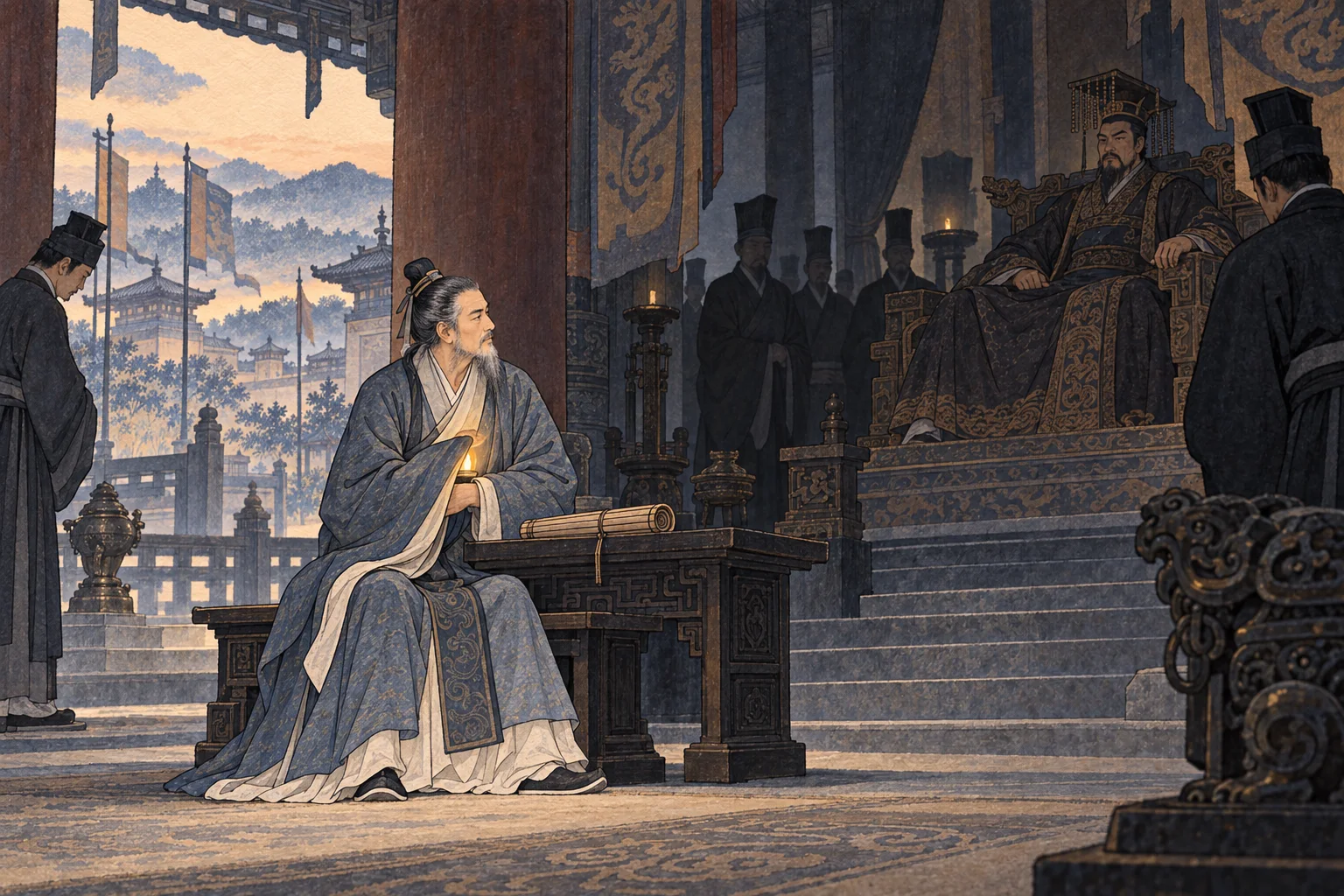
Imagine a community garden coordinator who learns that a popular leader has been quietly diverting shared tools and seeds. Speaking up could cost her the plot, yet staying silent feels like losing her own light. This hexagram is about protecting clarity in a dim environment: leaving danger when needed, accepting practical help, and keeping inner truth alive without forcing every truth into the open at once.
想象一位社区花园协调员,发现一位受欢迎的负责人一直悄悄挪用共享的工具和种子。公开说出可能失去菜地,沉默又像让自己的光熄灭。明夷说的是在暗淡环境里守护清明:该离开危险时就离开,接受实际帮助,守住内在真实,却不急着把所有真相一次摊开。
ASK YOURSELF想一想
Where is your own clarity unwelcome right now, and what would protecting it wisely—rather than proving it—look like?
此刻,你的清明在哪里不受欢迎?与其证明它,不如怎样明智地守护它?
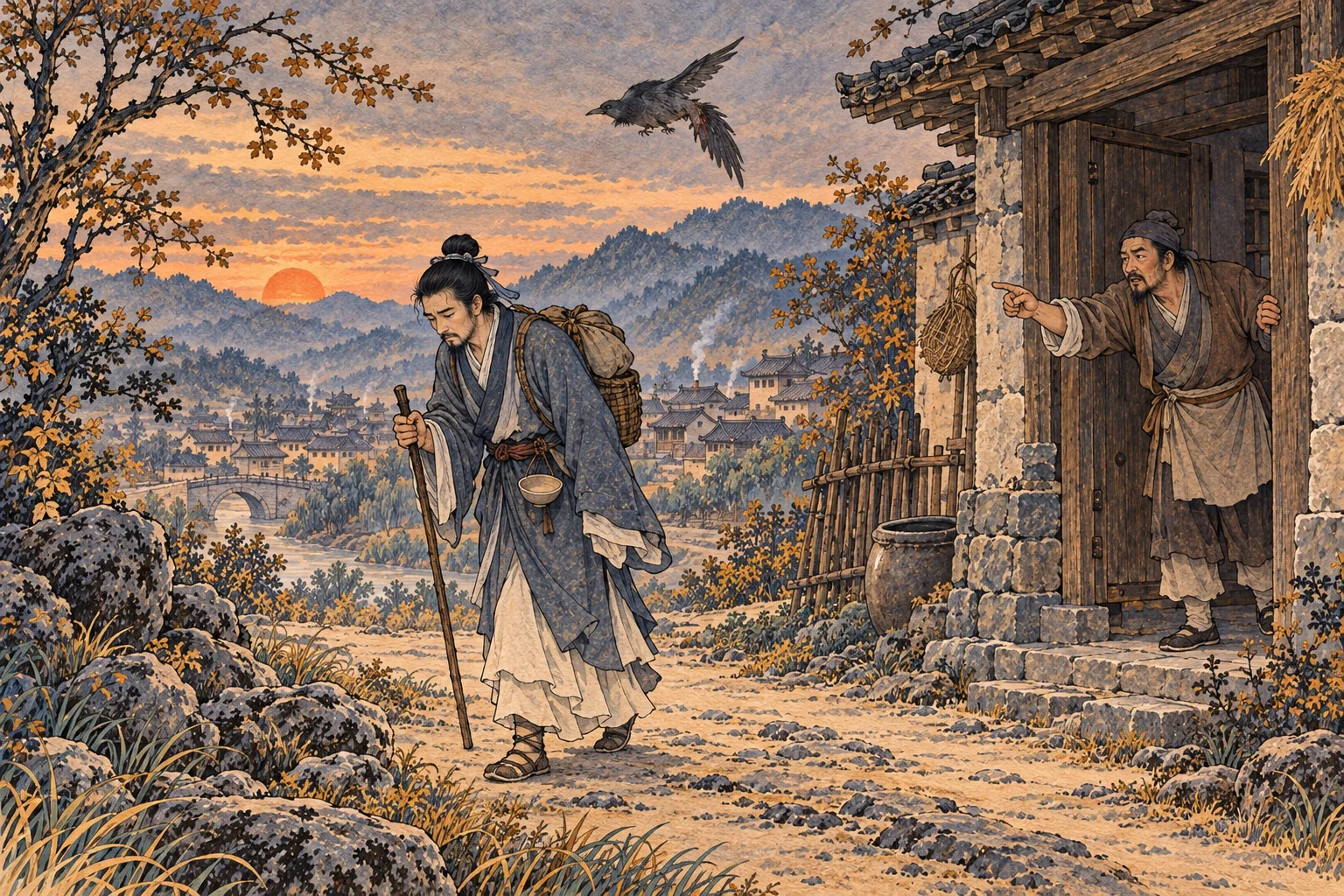
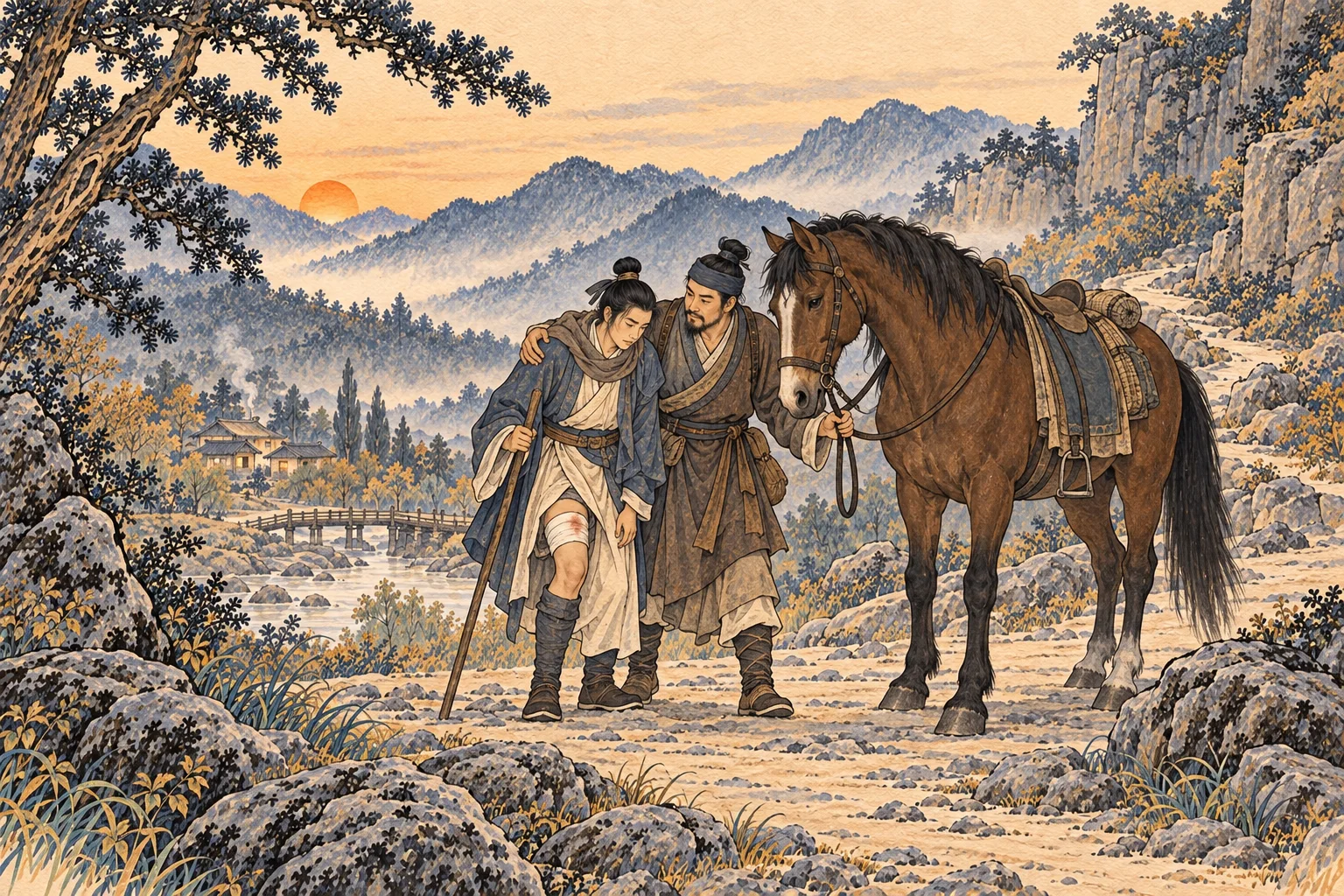
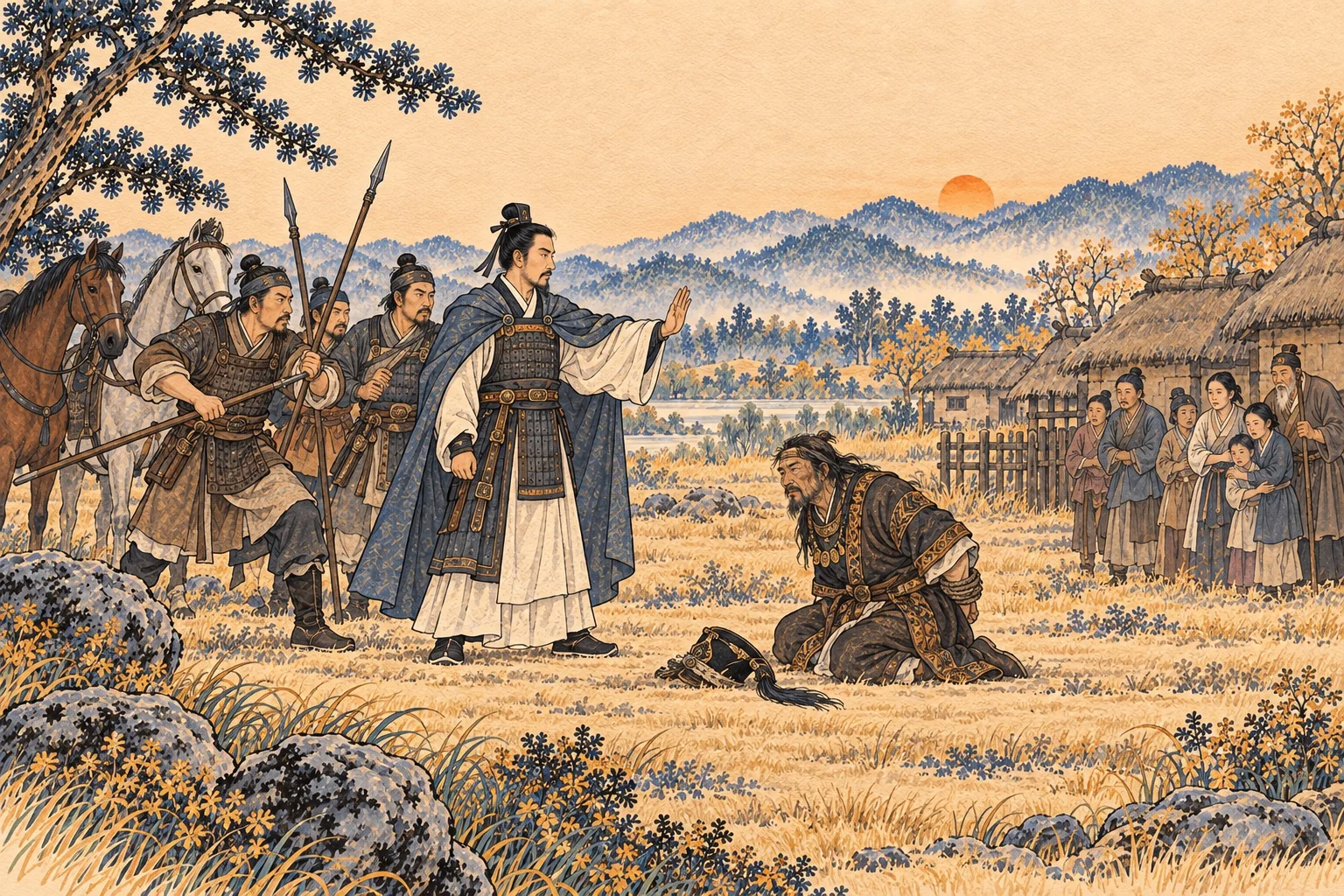
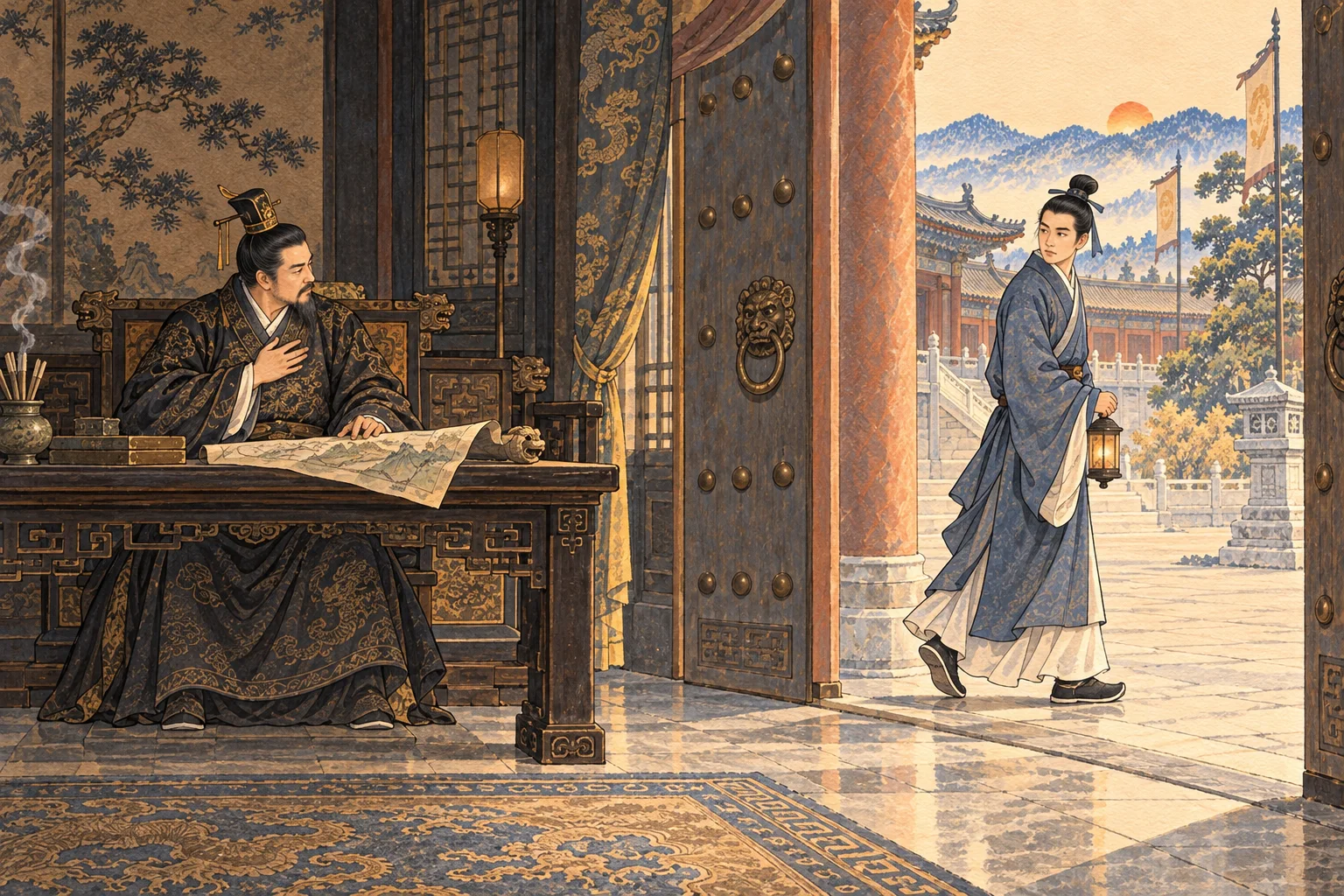
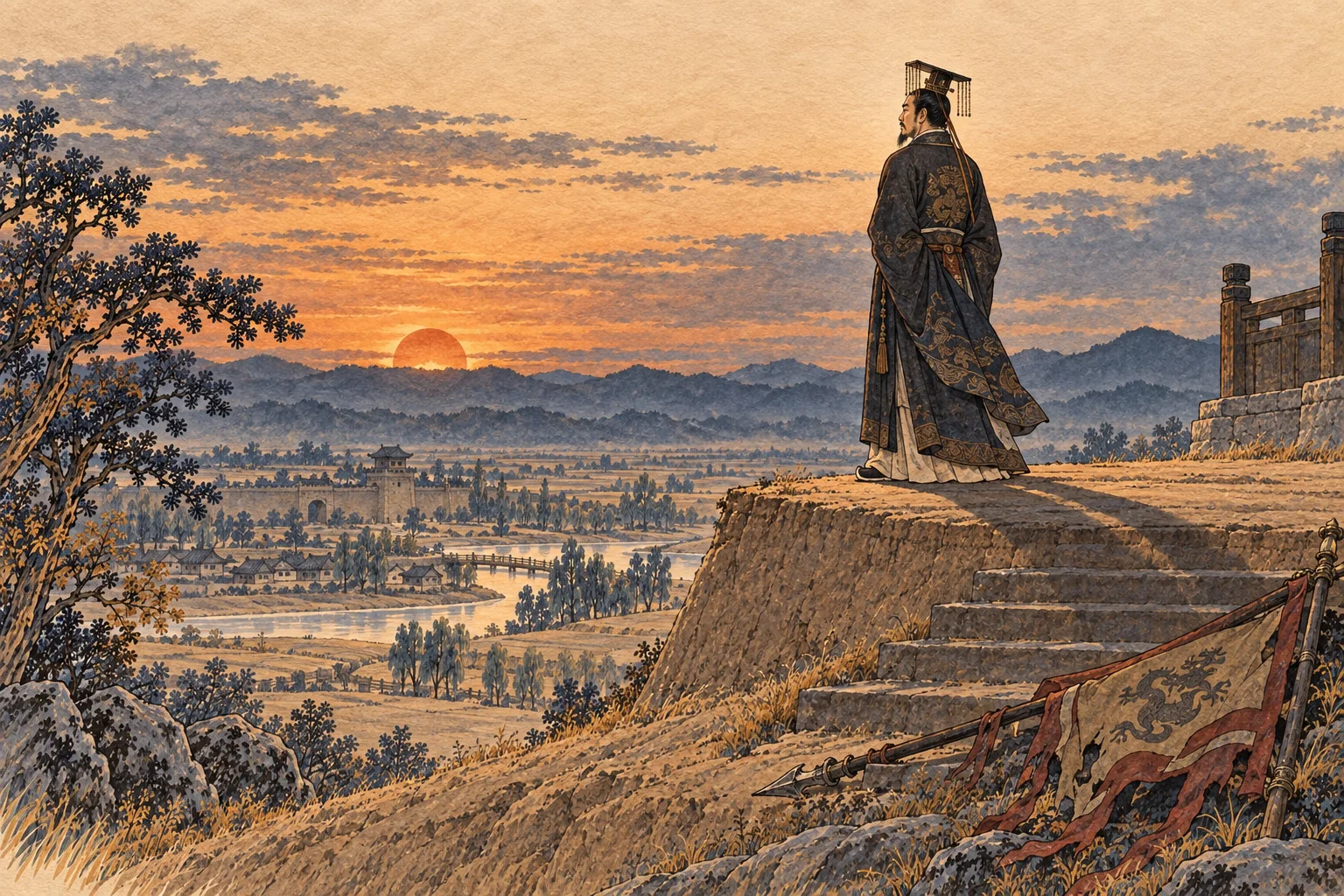
《彖传》以光入地中解卦,并以文王、箕子说明:内心仍有明辨,外在可以柔顺、藏光;在困厄中不改正志。这里的历史人物是传文举例,不与卦辞混作同一层。
The Tuan Commentary imagines light entering the earth. Its examples of King Wen and Jizi distinguish inner clarity from outward display: one may soften the exterior and still preserve a right intention.
Light enters the earth: Darkening of the Light. In leading others, a cultivated person uses reserve while retaining clarity.
光暂入地中,不能只靠外露的聪明面对所有人。大象说“用晦而明”:有所收敛、留有分寸,反而更能看清情势。
Reserve is not confusion. The Image asks a leader to temper what is displayed while continuing to see the situation clearly.