Skip to content
A person neglects a quiet turtle while gazing at another's meal.
Mountain above Thunder · Choose what sustainsScene imagery · YiPhase original learning visual
Hexagram 27 · 山雷頤
頤YÍ

Nourishment

艮 · Mountain · 震 · Thunder

颐关乎养:吃什么、说什么,也关乎靠什么滋养自己、如何养人。卦意强调养得正,而非只求满足口腹。

Nourishment asks what we take in, what we say, how we sustain ourselves, and how we care for others. The central question is whether the nourishment is right, not whether it merely satisfies an appetite.

Original Chinese, independent English explanations and modern examples. Check the sources.保留经典原文,英文独立释读,生活例子单独说明。查看依据。

LESSON 27 · EVERYDAY I CHING

What are you feeding?

第 27 课 · 生活里的卦意

A short bilingual narration with moving views of all six line images.

跟着双语讲解与逐爻画面,理解这一卦的生活处境。

▶ Play Lessons▶ 播放课程
YiPhase · Today

In everyday life这一卦在生活中

A modern scene to help you recognize the situation. This is YiPhase's own example, separate from the classical text below.

用当代处境帮助理解卦意。以下为 YiPhase 独立编写的例子,与后面的经典原文分开。

A situation you may recognize一个可能熟悉的处境

Nourishment asks what you take in, what you say, how you sustain yourself, and how you care for others. This hexagram is not about getting full; it is about feeding the right thing in the right way. A person might choose between a quick craving and a steady source, or between hoarding and sharing. The guiding question is whether what you consume and give supports true health, character, and community, not just appetite.

颐关乎养:吃什么、说什么,也关乎靠什么滋养自己、如何养人。此卦不是求饱足,而是看所养是否正当。人会在即时欲望与长久来源之间选择,也会在囤积与分享之间选择。关键不是填满口腹,而是所取所予是否真正滋养身心、品格与群体。

ASK YOURSELF想一想

What are you feeding yourself, and is it actually good for you?

你在滋养自己的什么,它真的对你有益吗?
The Judgment

The Judgment卦辞

The original Chinese remains visible as the cultural source. The English translation and reading explain it without replacing it.

先保留经典中文,再提供英文直译与现代中文解释。英文用于理解,不替代原文。

《周易》经文 · Original Chinese
頤:貞吉。觀頤,自求口實。

Nourishment: steadfastness brings good fortune. Observe nourishment; seek food for one's own mouth.

Beginner’s reading

Look at what you are feeding in yourself—body, character, or appetite—and examine how you obtain what sustains it.

现代中文解说

先看自己所养的是身体、品格还是欲望,再检查取得养分的方式是否正当。

Classical Commentary

Tuan Commentary & The Image彖传与大象

These classical commentaries are shown separately from the Zhouyi core text, so their textual role stays clear.

以下属于解释《周易》的经典传文,页面与卦辞分层展示,方便初学者看清文本来源。

彖曰 · Tuan Commentary
彖曰:頤貞吉,養正則吉也。觀頤,觀其所養也;自求口實,觀其自養也。天地養萬物,聖人養賢,以及萬民;頤之時義大矣哉!

《彖传》把养分为所养与自养:既要看自己支持什么,也要看自己如何生活。养贤而及万民,是由个人扩大到公共的责任。

The Tuan Commentary distinguishes what one nourishes from how one nourishes oneself. Its view widens from personal sustenance to supporting capable people and, through them, the wider community.

象曰 · The Image
象曰:山下有雷,頤;君子以慎言語,節飲食。

Thunder beneath Mountain: Nourishment. The noble one is careful with words and measured in food and drink.

口既进食也出言。节制饮食、审慎说话,是颐卦最具体的日常练习。

The mouth receives food and releases words. Measured eating and careful speech make Nourishment a daily practice.

Six Changing Stages

Six Lines: Position and Change六爻:位置与变化

The six lines move from abandoning one's own resources and seeking care in the wrong place, through prolonged misdirection, toward alert provision, steady restraint, and finally the responsibility of nourishing others.

六爻由舍弃自身所长而羡人、颠倒求养、长期失道,转向警觉求养、安守中位,最终承担养人的责任。

初九
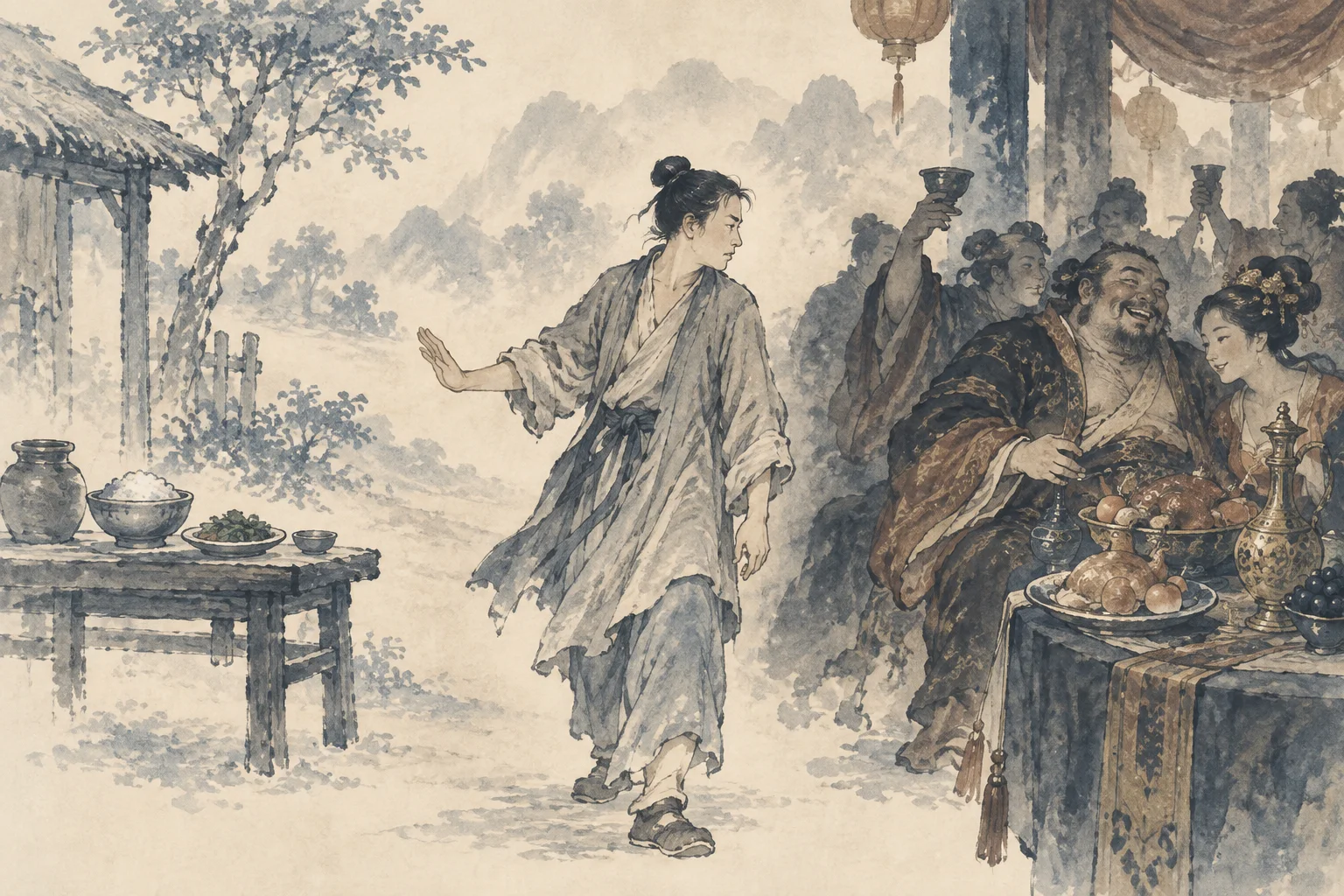
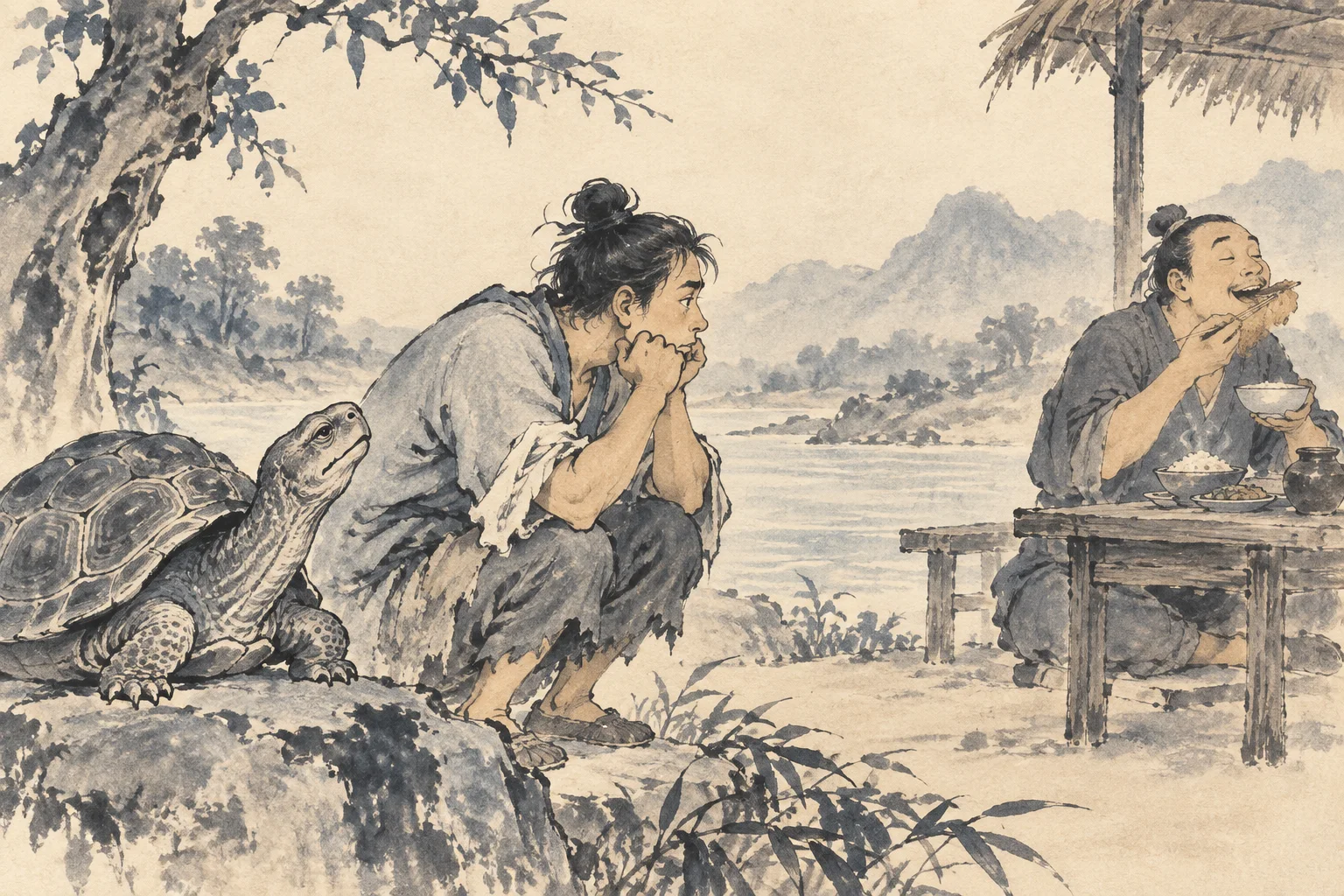
A person leaves a wise turtle aside and watches another's food.
初九 · Line 1 · 舍尔灵龟

舍爾靈龜,觀我朵頤,凶。

You set aside your spirit turtle and watch my jaws move: ominous.

自己已有可凭的内在资源,却只盯着别人盘中的东西,便失去了自养的能力。

You already have a resource of your own, yet fixate on another person's appetite. In doing so, you neglect your capacity to nourish yourself.

Keep your own resources
Picture this in daily life生活中的这一爻

A home cook keeps a handwritten recipe book from her grandmother—her own reliable 'turtle'—but never opens it. Instead, she spends evenings watching videos of famous chefs eating rich meals. She copies their plating but not their practice. Her own dishes get worse. If she returns to the book, she can cook again; if she only watches, her skill fades.

一位家常菜爱好者有祖母留下的手写菜谱,那是她自己的“灵龟”,却从不翻开。她每晚看名厨吃大餐的视频,只模仿摆盘,不练基本功。自己的菜越做越差。若回到菜谱练习,手艺可以恢复;若只看别人,能力会荒废。

Ask yourself: Where is your own reliable resource being ignored?

想一想:你自己的可靠资源在哪里被忽略了?

六二
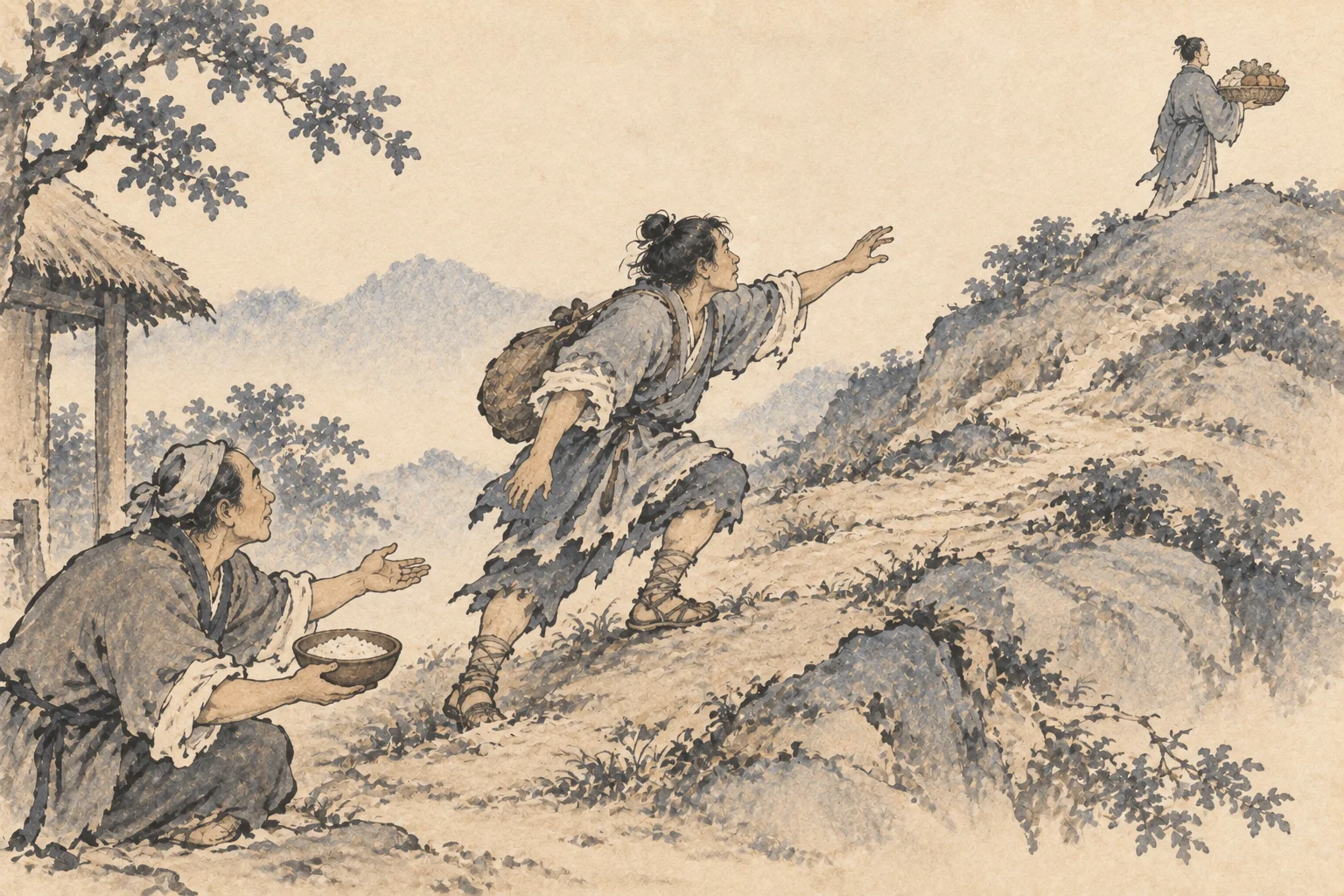
A traveler ignores nearby food and reaches uphill toward a distant provider.
六二 · Line 2 · 颠颐

顛頤,拂經,于丘頤,征凶。

Nourishment turned upside down, departing from the regular way; seeking nourishment on the hill. Going forward is ominous.

求养的方向颠倒了,越往不合宜的来源去,越容易受损。

The direction of support is reversed. Pressing toward an unsuitable source of nourishment invites harm.

Choose a sound source
Picture this in daily life生活中的这一爻

A commuter wants to learn first aid. Her library offers a free Saturday class, and a neighbor offers practice. Instead, she buys a costly online course from a distant instructor and never finishes. She keeps reaching uphill for a fancy answer. If she uses the nearby class, she gains skill; if she chases the far source, she stays unprepared.

一位上班族想学急救。社区图书馆有免费周六课,邻居也愿意陪她练习。她却买远方名师的昂贵网课,从未学完。她不断向远处的高丘求养。若用身边课程,她能掌握技能;若只追远方来源,她仍无准备。

Ask yourself: Are you seeking support from the wrong direction?

想一想:你是否在朝错误的方向寻求支持?

六三
A person turns from a wholesome meal toward an unhealthy banquet.
六三 · Line 3 · 拂颐

拂頤,貞凶,十年勿用,無攸利。

Turn against nourishment. Continuing this way is ominous; for ten years do not employ it. Nothing is favourable.

长期用错误方式满足欲望,无法靠坚持错误来扭转结果,需要彻底停下来。

Persisting in a harmful way of feeding desire will not make it right. Stop the pattern rather than committing to it harder.

Stop the harmful pattern
Picture this in daily life生活中的这一爻

A student turns away from a shared dinner with roommates—the meal that steadied him—and orders sugary snacks to scroll through the night. He tells himself he will stop tomorrow. The pattern repeats for months, leaving him tired and isolated. Persisting will not make it wholesome; he needs to stop and return to regular meals and rest.

一名学生离开与室友共进的晚餐——那本是让他安稳的饭——却点甜食零食,刷手机到深夜。他告诉自己明天就停。这个模式重复数月,使他疲惫又孤立。继续坚持不会让它变好;他需要停下,回到规律吃饭与休息。

Ask yourself: What habit needs to stop, not be justified?

想一想:什么习惯需要停止,而不是继续辩解?

六四
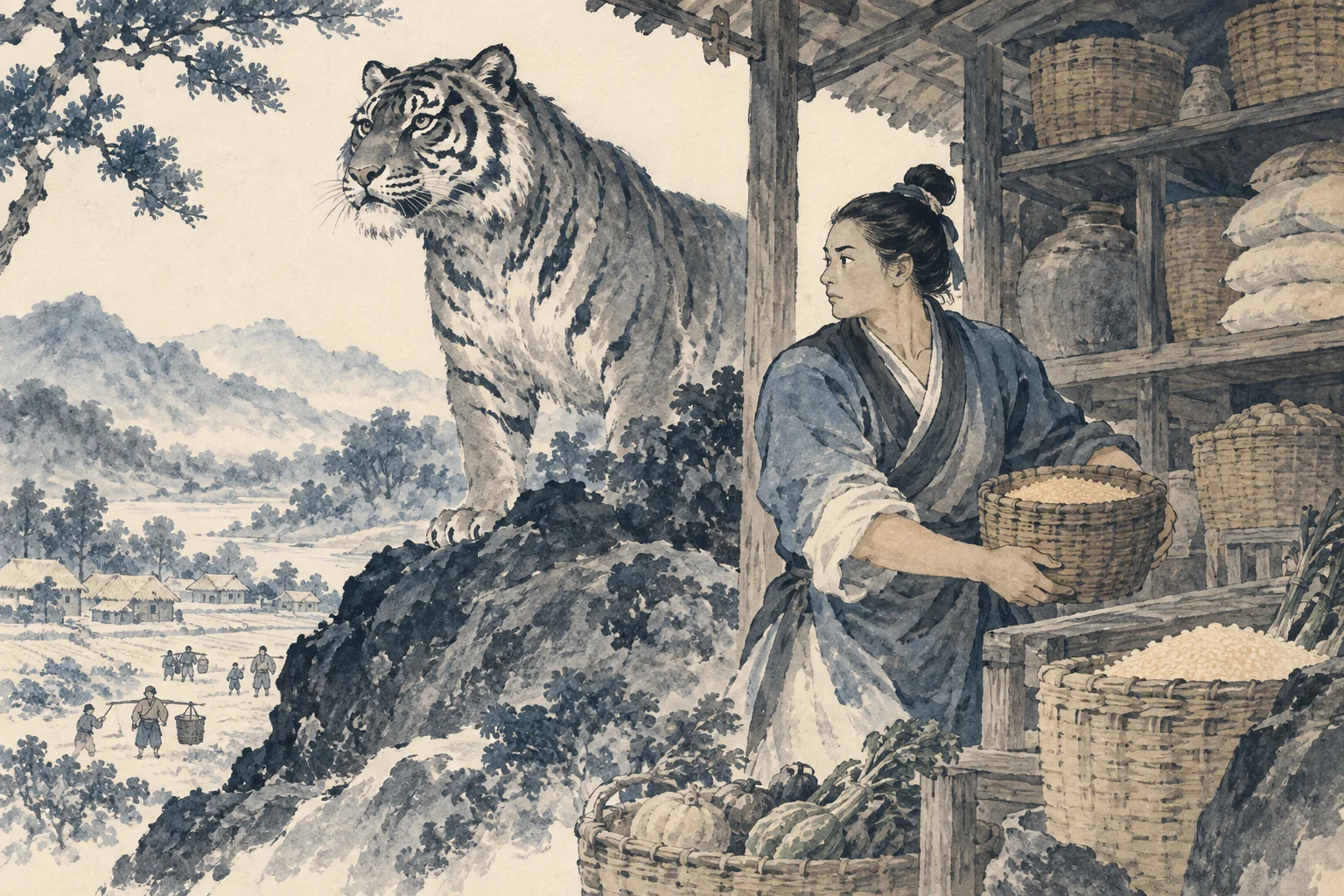
An alert caretaker checks provisions for a community.
六四 · Line 4 · 虎视眈眈

顛頤吉,虎視眈眈,其欲逐逐,無咎。

Nourishment turned about brings good fortune. Watch like a tiger; seek earnestly, and there is no blame.

身在上位而向下寻求资源以养人,须像虎一样专注,但目标是供养而非贪夺。

One in a higher place may seek resources below to care for others. Be as attentive as a tiger, with provision rather than greed as the purpose.

Provide with attention
Picture this in daily life生活中的这一爻

A team lead sees the group lacks supplies and time. Instead of protecting her status, she asks each person what they need, then negotiates for better tools and realistic deadlines. Her focus is sharp like a tiger watching the pantry. She wants to provide, not grab credit. If she stays greedy, trouble returns; if she provides, the team steadies.

一位团队负责人发现小组缺物资和时间。她没有保护自己的地位,而是问每个人需要什么,再争取更好工具和合理期限。她的专注像虎视粮仓。她想供养众人,不贪功。若她贪心,麻烦回来;若她供养,团队就稳。

Ask yourself: When you have influence, what are you reaching down to provide?

想一想:当你有影响力时,你向下伸手是为了供养什么?

六五
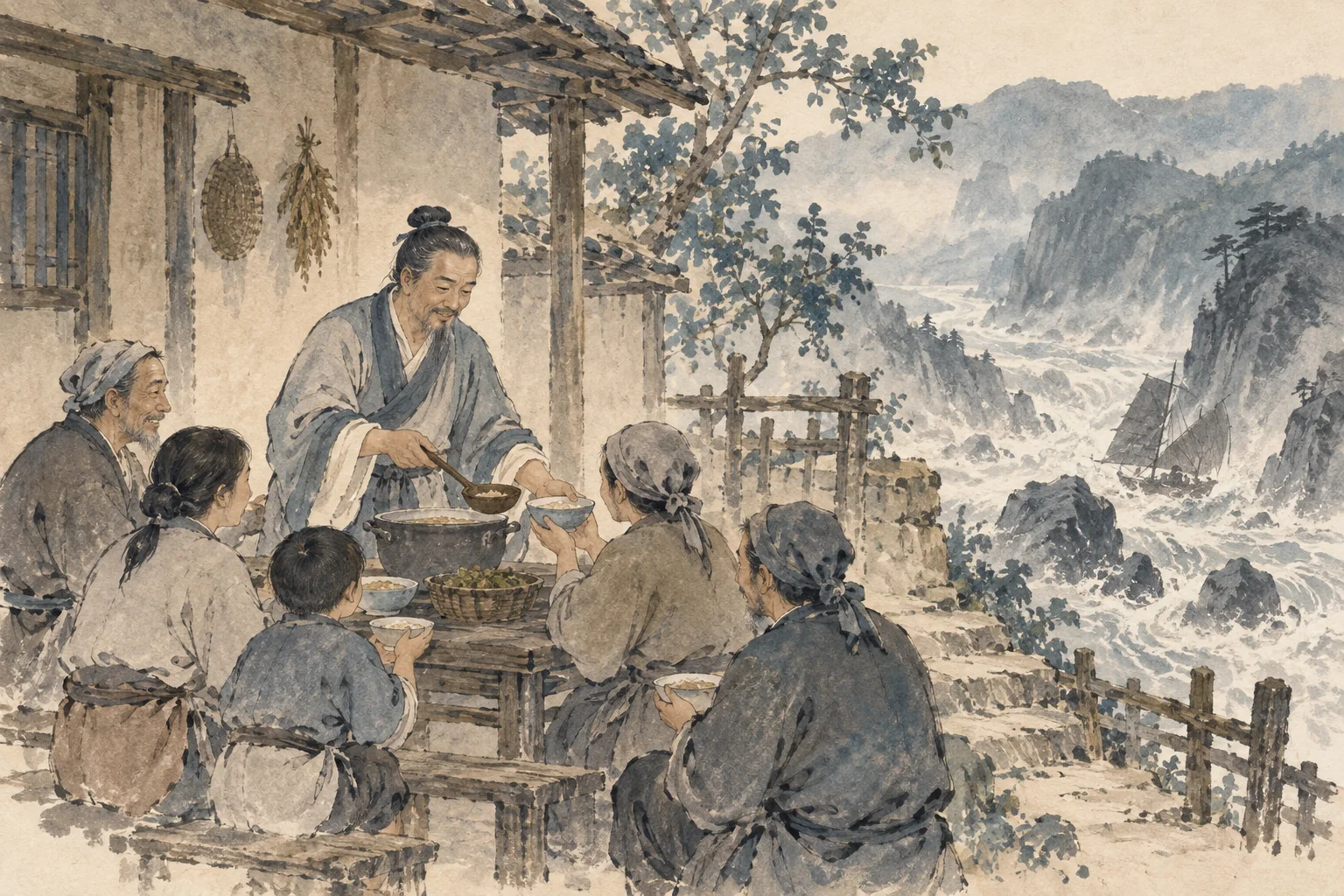
A leader remains at home and carefully shares food.
六五 · Line 5 · 居贞

拂經,居貞吉,不可涉大川。

Depart from the regular way. Remain steadfast where you are: good fortune. Do not cross the great river.

能力不足以独自涉险时,守住位置、接受合宜的支持,才能把养人的责任做好。

When you cannot safely make a great crossing alone, remain steady and accept fitting support so you can fulfill your duty of care.

Stay and care
Picture this in daily life生活中的这一爻

A teacher is asked to run a huge district festival while also caring for her class. She knows she cannot cross that big river alone. She stays with her students, keeps the daily lessons steady, and accepts help from a colleague. If she pretends to do everything, both suffer; if she stays grounded and shares the load, her care holds.

一位老师被要求筹办全区大型活动,同时还要照顾自己的班级。她知道自己不能独自涉过大川。她留在学生身边,保持日常课程稳定,并接受同事帮助。若她假装全能,两边都受损;若她守住位置、分担责任,照顾就能持续。

Ask yourself: Where might you need support instead of a solo crossing?

想一想:哪里需要接受支持,而不是独自渡河?

上九
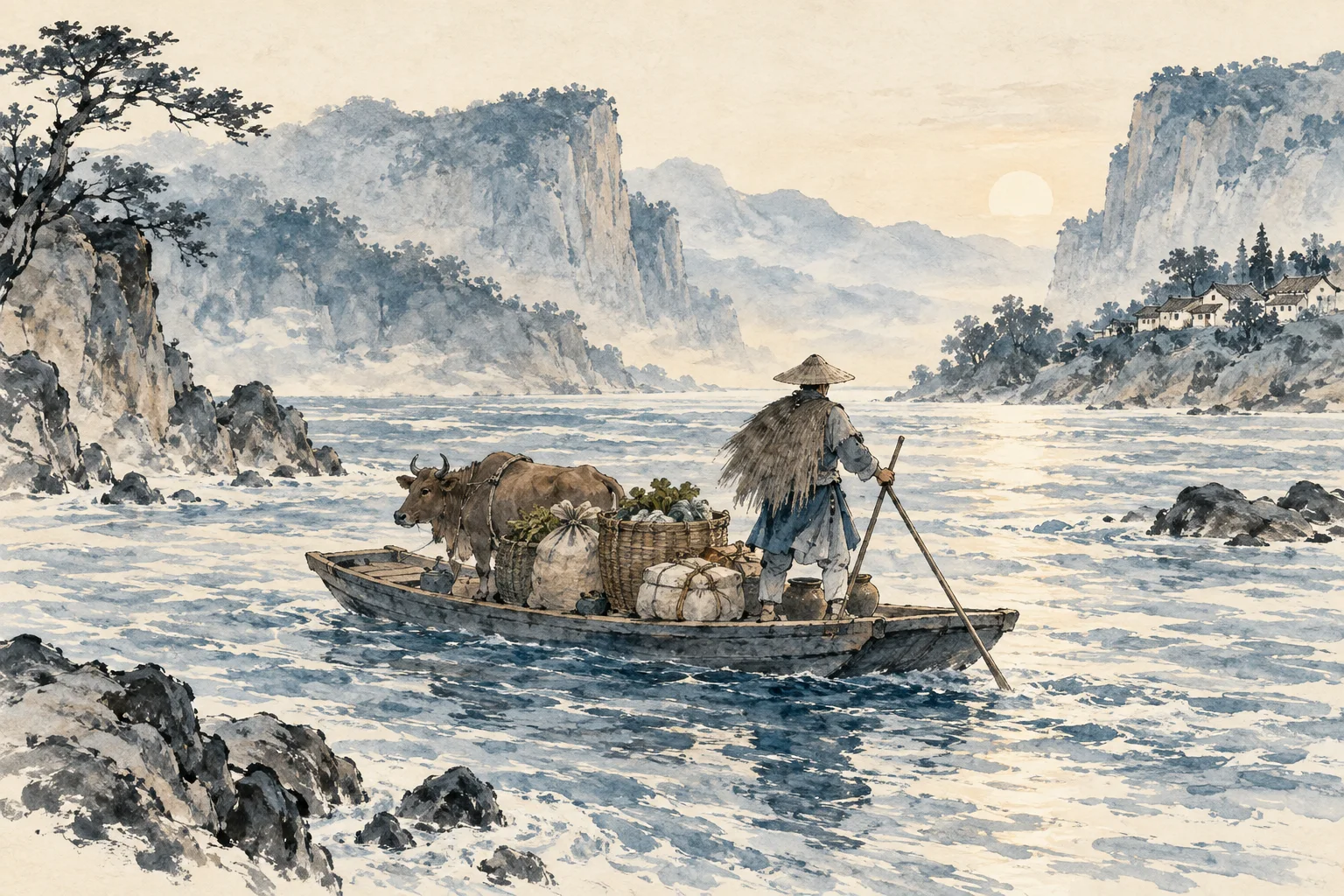
A trusted provider carries provisions across a broad river.
上九 · Line 6 · 由颐

由頤,厲吉,利涉大川。

Nourishment comes through this one. Though dangerous, it is fortunate; favourable to cross the great river.

成为众人所依赖的养分来源,责任虽重,只要谨慎正直,便能承担大渡越。

To become a source of nourishment for many is a weighty responsibility. With caution and integrity, a great crossing becomes possible.

Carry the duty of care
Picture this in daily life生活中的这一爻

A neighborhood organizer becomes the main source of meals for older residents during a harsh winter. Many depend on her. The responsibility is heavy; mistakes could harm trust. She keeps careful records, trains helpers, and checks each delivery. If she stays cautious and honest, she can carry provisions across the broad river; if she becomes careless, the supply line breaks.

一位社区组织者在严冬成为老人餐食的主要来源。许多人依赖她。责任很重;失误可能损害信任。她认真记录、培训帮手、检查每次送餐。若谨慎诚实,她能带着物资渡过宽阔河流;若变得粗心,供应线就会断。

Ask yourself: When others rely on you, how do you stay careful and honest?

想一想:当别人依赖你时,你如何保持谨慎与诚实?

Cultural Phrases

Classic Chinese Phrases可延展的中文经典短句

Chinese carries the cultural identity; English makes the meaning accessible. These phrases can later inform cards, objects, and décor.

中文保留文化识别,英文负责解释。这些短句可作为未来卡牌、装饰与文创的文字基础,具体载体仍需单独设计。

慎言語,節飲食

审慎出言,饮食有节。

Speak carefully and eat with measure.

養正則吉

用正当方式滋养,方能得吉。

Nourish what is right.

Questions about this hexagram这一卦的常见问题

What does Hexagram 27, Nourishment, describe?第27卦描述什么处境?

Nourishment asks what we take in, what we say, how we sustain ourselves, and how we care for others. The central question is whether the nourishment is right, not whether it merely satisfies an appetite.

颐关乎养:吃什么、说什么,也关乎靠什么滋养自己、如何养人。卦意强调养得正,而非只求满足口腹。

How should I read its six lines?应该怎样阅读这六爻?

Read from the bottom line upward. Each position describes a different stage or condition. The highlighted line-position diagrams on this study page locate the line being explained; they are not a personal cast or a prediction.

从下往上读,结合不同位置与处境理解。这里的高亮卦画只说明正在讲哪一爻,不是个人起卦或预测结果。