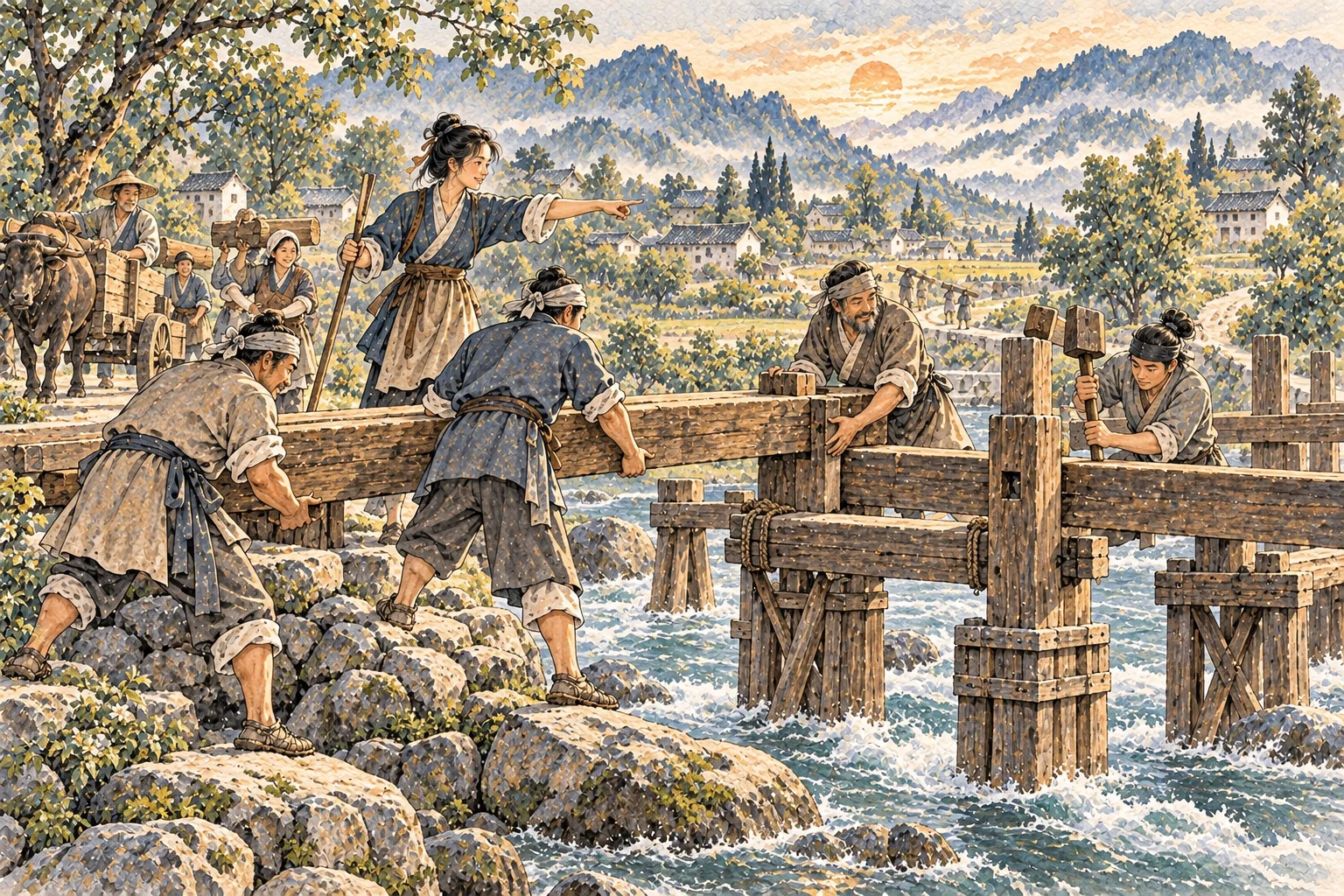
After a storm and a season of cutting back, a neighborhood decides to rebuild its damaged workshop as a shared tool library and repair space. Some want a grand start; others worry the same few people will carry every load. Neighbors, outside volunteers, city officials, and families must decide what real increase looks like: who receives help, when to accept it, when to relocate, and when giving turns into endless taking.
暴风雨和一段缩减开支之后,一个街区决定把损坏的工坊重建为共享工具图书馆和维修空间。有人想大干一场,也有人担心重担总落在少数人身上。邻居、外来志愿者、市政人员和家庭都要判断:真正的增益是什么?帮助该给谁,何时接受外援,何时迁址,以及慷慨何时变成无度索取。
ASK YOURSELF想一想
Who should actually receive the benefit of this increase, and how will you keep it in step with real needs?
这份增益究竟该由谁受益?你怎样让它与真实需要同步?
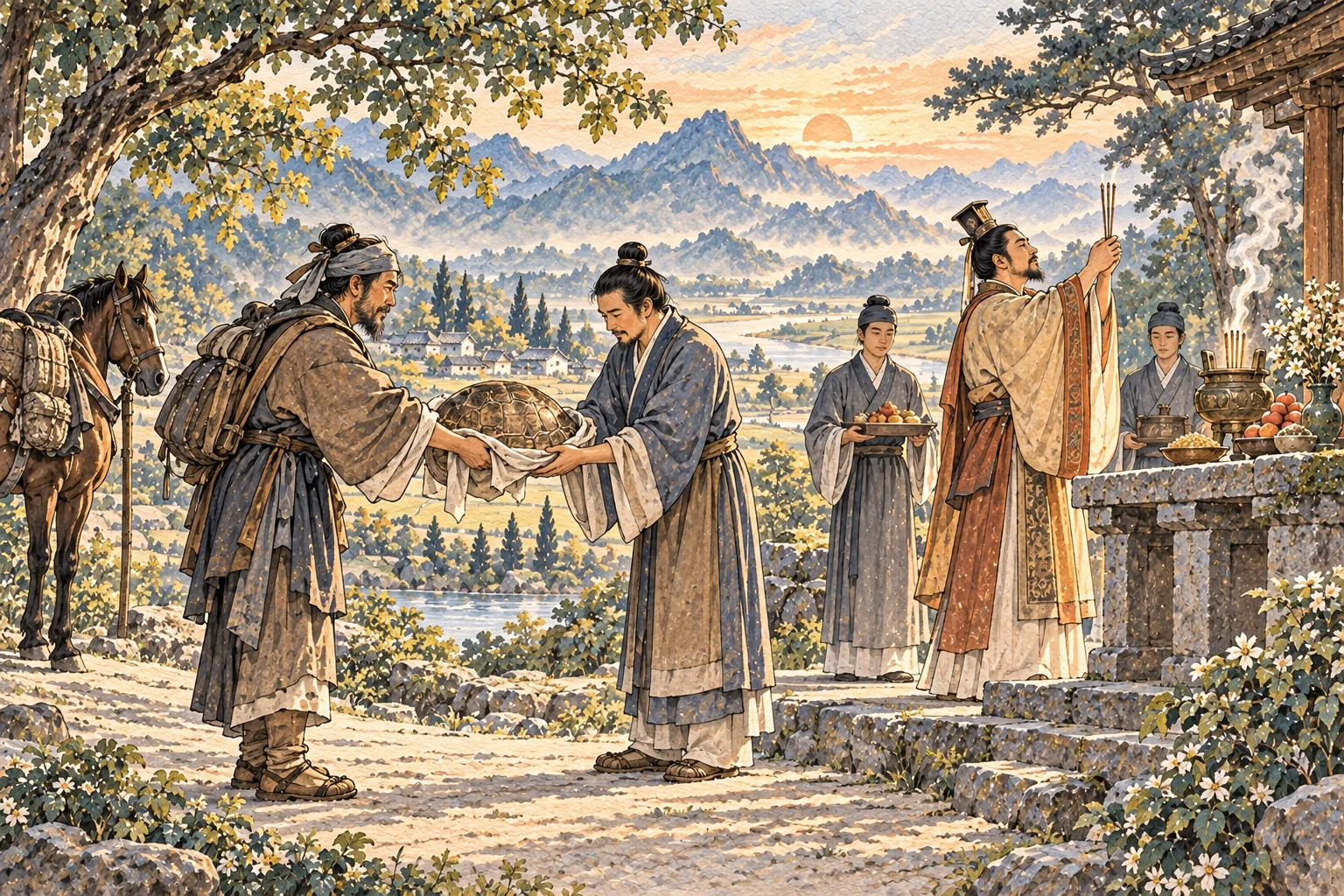
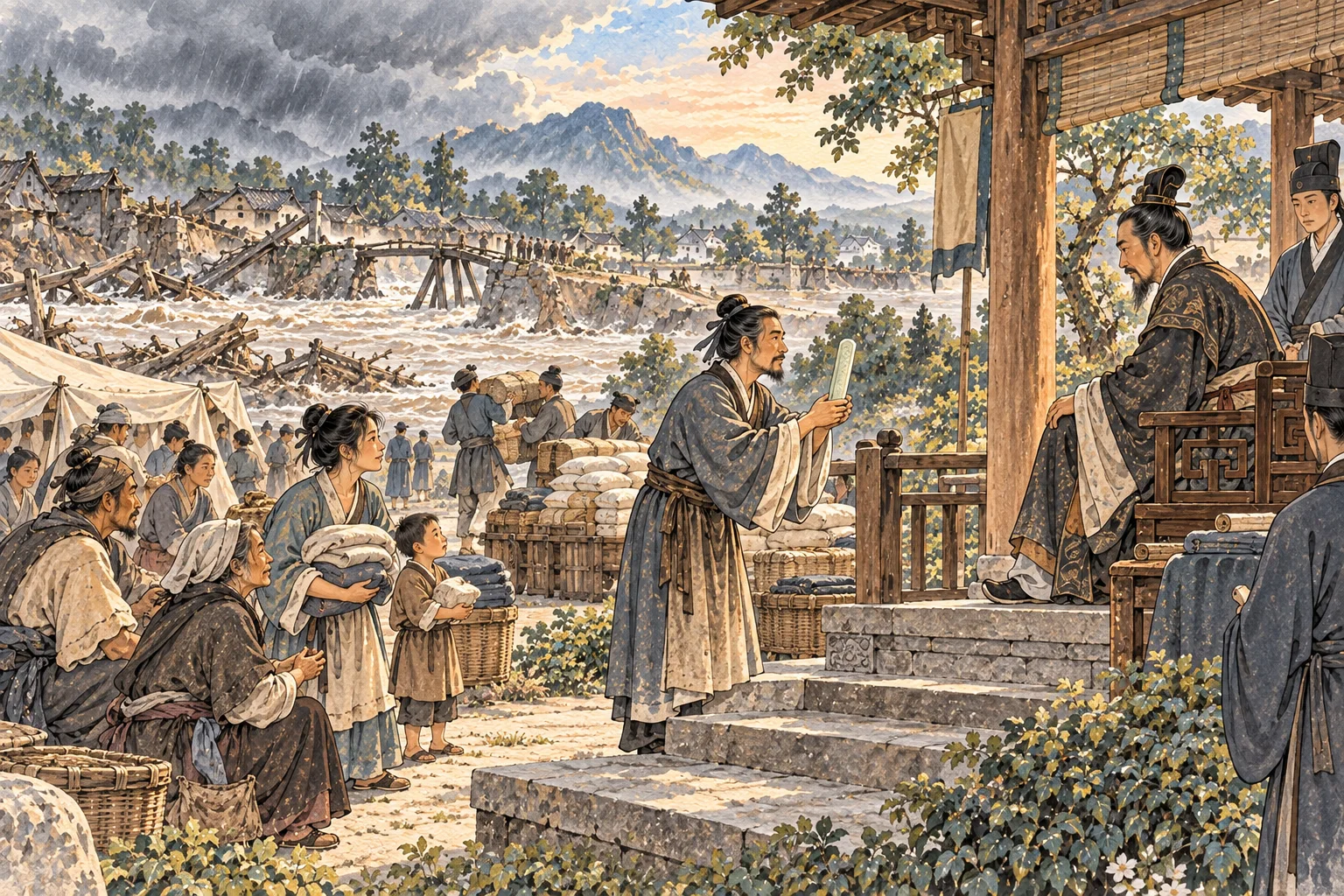
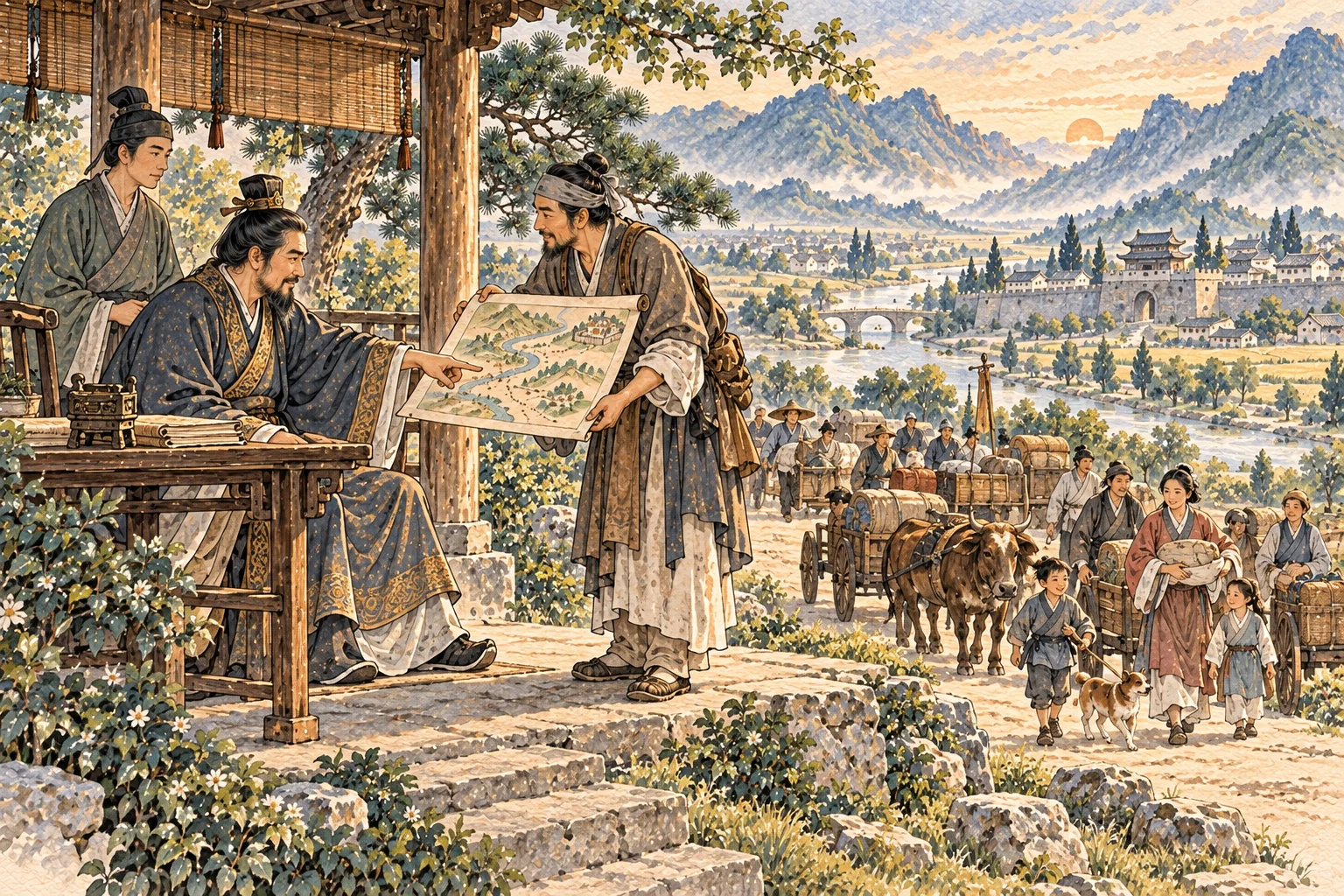
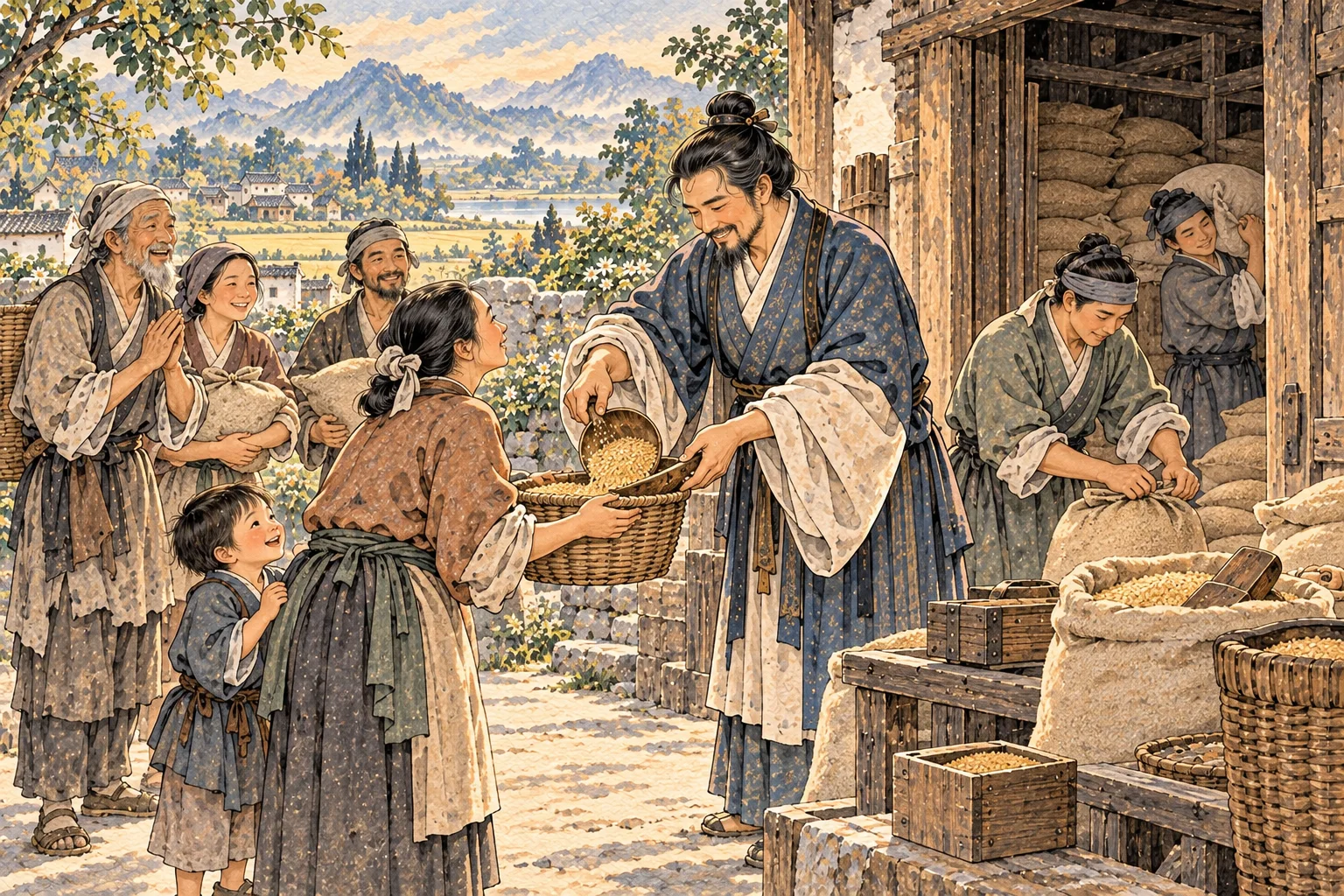
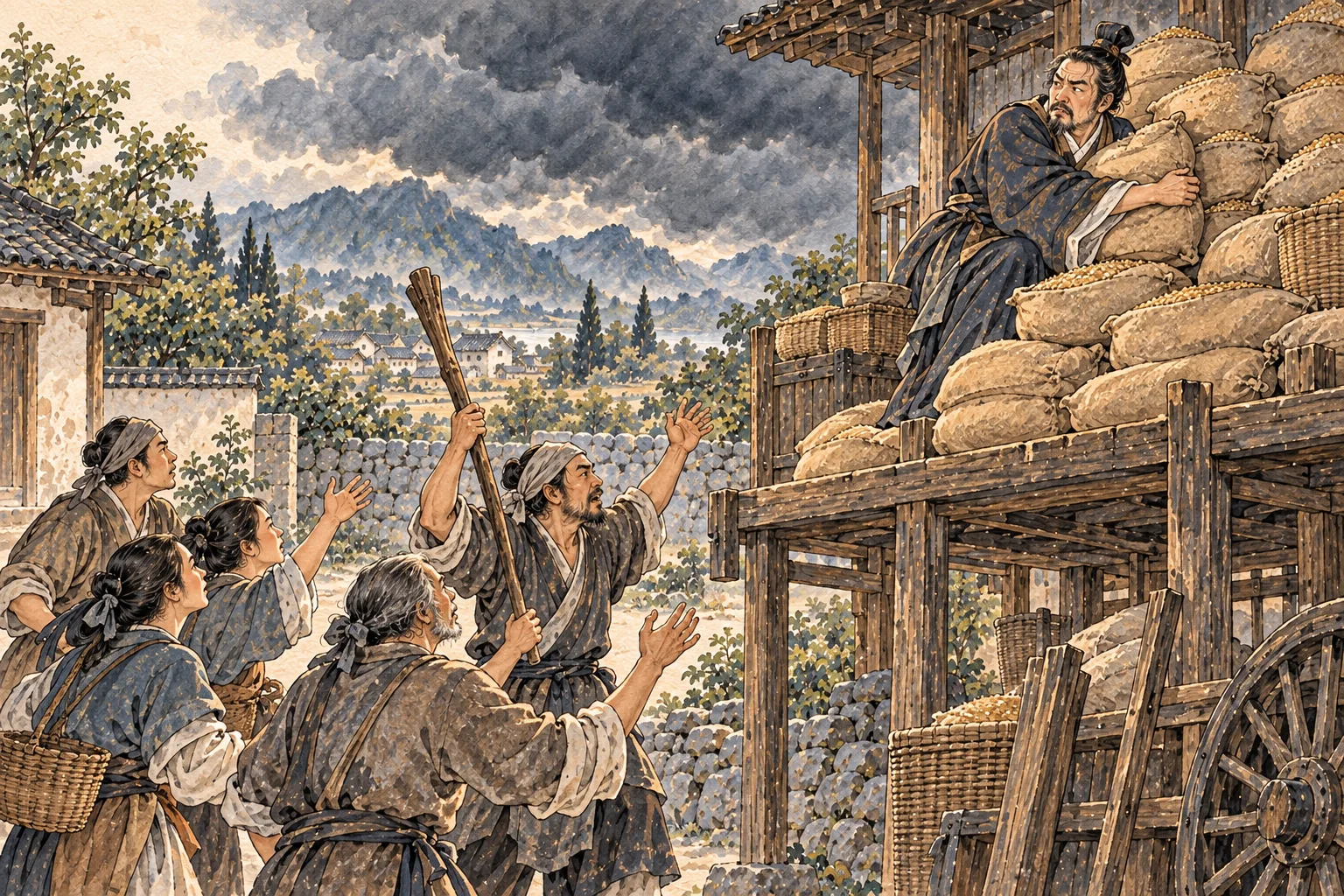
“损上益下”说明资源从有权有余者转向需要者,民心因此悦服。震动而巽顺,行动要能听见回应;木可涉川,是渡难的取象。末句把扩张拉回时机与分寸:不能向已经盈满处无休止加码。
The Tuan describes benefit moving from above to below. Thunder acts while wind responds; wood makes a river crossing possible. The last phrase limits all increase by timing: adding more where there is already enough can become harm.
Wind and thunder: Increase. A cultivated person moves toward the good when seeing it, and corrects a fault on recognizing it.
最直接的“益”,是见到好的做法便学习,看到自己的过错便修改。它让成长成为可实行的行动,而不是单纯的数量增加。
Growth can begin in conduct: adopt a good practice when you see it, and change a mistake when you recognize one. Increase is more than accumulation.